

Harrogate mumpreneur Sam Naughton understands how complex and lonely pregnancy loss can be. Formerly Head of Brand Communications at Yorkshire Tea, Sam’s life changed after experiencing a miscarriage, leading her to step away from her corporate career and go on to found Cocoon, a Harrogate-based fertility and women’s wellbeing clinic created to support women and families through loss, anxiety, and uncertainty.
Pregnancy loss is a topic close to home for me, too. Having experienced three consecutive miscarriages, I know how complex the grieving process can be, and how difficult many women find it to open up about first-trimester loss. For pregnancies that follow a loss, the usual excitement can be clouded by fear and anxiety. In this interview, Sam opens up about her journey through miscarriage and pregnancy after loss and how her experiences have shaped the way she supports others through Cocoon.
Sam Naughton on Navigating Pregnancy Loss and Mental Health

Can you tell us a little about your journey and what led you to start Cocoon?
My journey towards starting Cocoon wasn’t planned at all. I’d built a career I loved, had a busy family life with my husband Ben and daughter Ruby, and felt settled in who I was and where I was heading. Losing my baby changed everything.
When Willow died during early pregnancy, it forced me to slow down and really look at how unsupported women can feel through pregnancy, loss and anxiety. Cocoon came from a very personal place; it’s a business I created in response to my own experiences and the gaps in care I encountered when I needed support most.
How did your journey take you from your previous corporate career into what you’re doing today?
Before starting Cocoon, I was Head of Brand Communications at Yorkshire Tea. I loved my job and had invested years into building that career. After losing Willow though, my perspective shifted. I couldn’t return to that world unchanged. What mattered to me felt different, and I needed to create something that reflected that shift. Stepping away wasn’t easy, but it gave me the space to build a business that felt really aligned with my lived experience.
What experiences or moments in your life have shaped the way you approach supporting others through pregnancy and loss?
Living through both baby loss and pregnancy after loss shaped everything. Sitting in waiting rooms feeling terrified, grieving quietly while still parenting my daughter Ruby, and trying to protect my family while struggling internally, all stayed with me. Those experiences taught me how vulnerable these moments are, and how important empathy, time and emotional safety really are when supporting people through pregnancy and loss.

Could you share a bit about your experience with miscarriage and how it affected you emotionally?
My baby died at ten weeks, and emotionally it felt as though time stopped for me while the rest of the world carried on. Ben and I had already named our baby Willow and imagined where they would fit into our family, so the loss felt incredibly real and personal.
What I struggled with most was how miscarriage is often spoken about in clinical terms. For me, it was a bereavement. I was grieving a child I would never meet. Alongside the sadness, there was this shock and anxiety, often all at once. I learned very quickly how easy it is to grieve quietly when your loss doesn’t fit how people expect grief to look.
How did you cope with grief while still being present for your family and everyday life?
Life didn’t stop after Willow died. I still had to be a mum to Ruby and show up each day, even when things felt incredibly heavy. I focused on routines and getting through one day at a time, often putting my own feelings to one side so I could keep everything moving for my family. Looking back, I can see how much I was holding inside. I was coping by carrying on, but it was lonely, and I didn’t always feel there was space to say how hard things really were.
What advice would you give to partners, friends or family who want to support someone going through pregnancy loss?
Acknowledge the loss and don’t try to minimise it. You don’t need perfect words. Listening, checking in regularly and remembering important dates can mean so much. If parents have named their baby, using that name matters. Support shouldn’t disappear after the first few weeks; grief doesn’t work to a timetable.
How did your previous experiences with miscarriage shape how you approached later pregnancies?
Pregnancy after loss felt completely different. When I became pregnant again, fear replaced excitement. I didn’t trust my body, and every milestone felt fragile. Ben and I both carried that anxiety, trying to stay strong for each other and for Ruby. It showed me just how much emotional support is needed during pregnancy after loss, not just clinical reassurance.
What fears or anxieties did you face, and how did you manage them?
I was anxious about almost everything: physical symptoms, scans, appointments and the constant fear that something might go wrong again. I lived in a heightened state of alertness that was exhausting. What helped most was eventually talking openly about those fears and seeking support, rather than trying to manage them on my own.
What advice would you give to parents who are pregnant after experiencing loss?
Be gentle with yourself. Fear and anxiety don’t mean you’re ungrateful; they mean you’ve been through trauma. Seek support early, talk honestly about how you’re feeling, and remind yourself that you don’t have to navigate pregnancy after loss alone.

What inspired you to create Cocoon, and what kind of support do you offer for women and families going through loss or anxiety?
Cocoon was inspired directly by my own experiences. After everything Ben and I went through, I wanted to create a space that acknowledged the emotional reality of pregnancy and loss. We support women and families through fertility challenges, pregnancy, baby loss and anxiety. Alongside clinical care, we offer counselling, talking therapy, midwifery support and a calm, compassionate environment where people feel listened to and supported. We also work in partnership with the incredible Jane at Taking Baby Steps, who provides free talking therapy for those affected by baby loss, ensuring emotional support is accessible regardless of circumstances.
Why do you think combining clinical care with emotional support is so important for those dealing with pregnancy or fertility challenges?
Because the emotional experience is inseparable from the physical one. Fear, grief and anxiety affect how people feel, think and cope. When emotional support sits alongside clinical care, people feel safer, more understood and less alone.
Looking back, what would you say to anyone struggling to speak up about loss, trauma or pregnancy anxiety?
I’d say that what you’re feeling is valid, even if it doesn’t look how you expected it to. You don’t have to carry it quietly. Speaking up can feel frightening, but it can also be the first step towards feeling understood and supported.
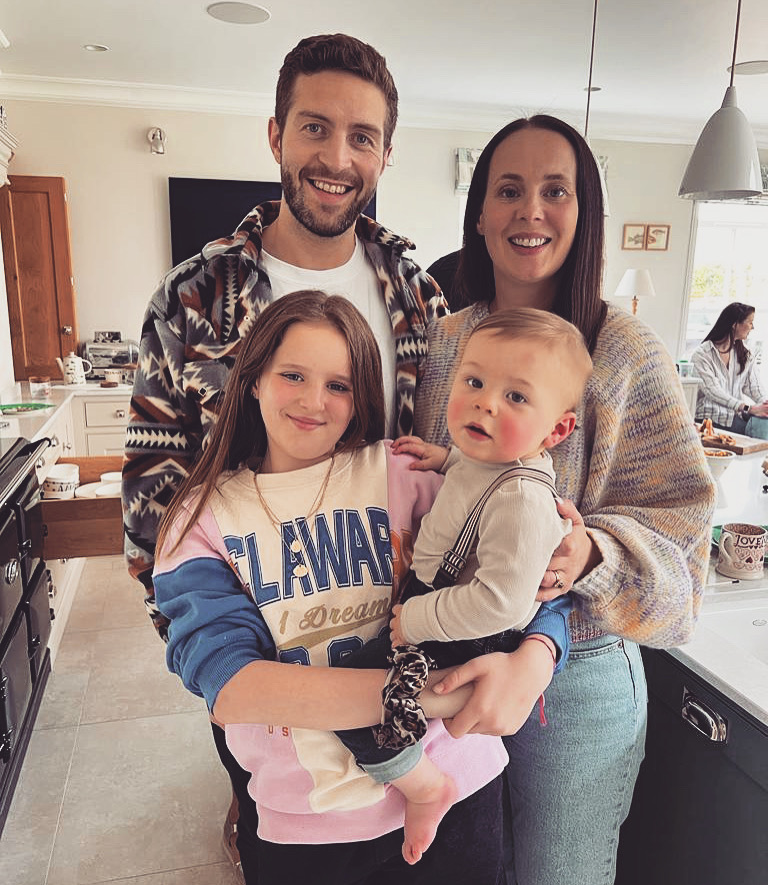
I’m incredibly grateful to work alongside a dedicated, compassionate team at Cocoon, whose care and understanding make that support possible every day. Welcoming our son Alby into the world after loss has reinforced just how important that support is for families navigating these experiences.
To find out more about Cocoon, please visit www.cocoon-hgt.com