
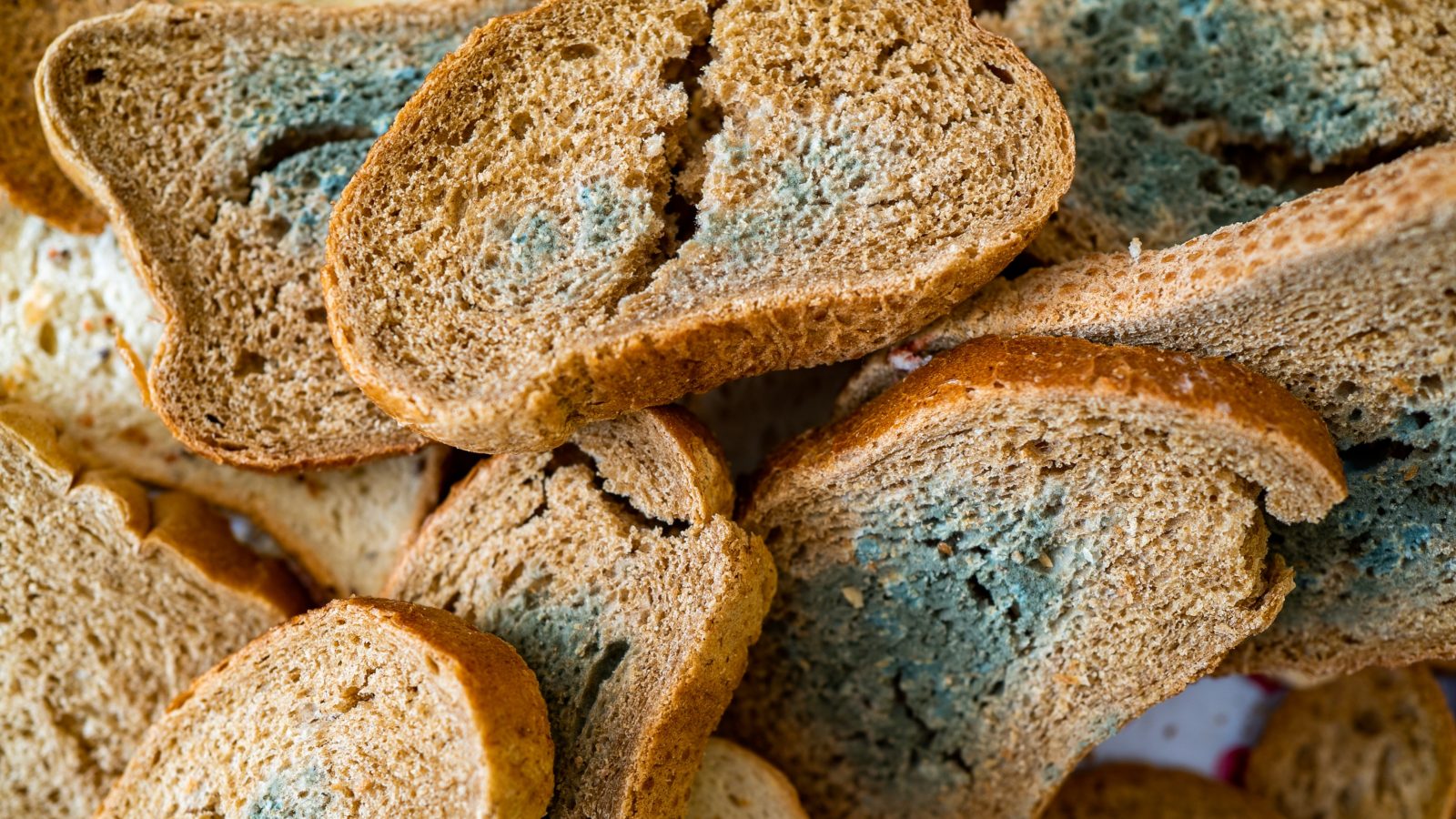
Understanding how to prevent food spoilage is essential for reducing household waste, saving money, and protecting health. Beyond the unnecessary costs, spoiled food poses a significant risk of foodborne illness if consumed. To help families manage their kitchens more effectively, experts from High Speed Training have shared their professional guidance on spotting and preventing spoilage.
Dr Richard Anderson, Learning Experience Director at High Speed Training, explained: “Food spoilage refers to the process where food becomes unsuitable for consumption due to changes caused by microorganisms, enzymes, or physical and chemical reactions. These changes can affect the safety, flavour, texture, and overall quality of food. Spoiled food is no longer safe to eat and should always be discarded to avoid health risks.”

Common indicators of spoilage include unpleasant or sour odours, changes in colour, or altered textures, such as milk becoming clumpy or foods turning slimy or soggy. Visible mould and a rancid taste are also key warning signs. These issues are often caused by biological contamination or poor storage habits.
A critical factor in prevention is managing the “temperature danger zone.” Dr Anderson noted: “Perishable foods should be stored below 5°C (or at least under 8°C) in the fridge. Foods must be kept out of the temperature danger zone (between 8°C and 63°C) where bacteria can multiply rapidly. It’s also important to chill cooked food quickly, ideally within 90 minutes.”
High Speed Training’s 10 Tips to Prevent Spoilage:
- Check Temperatures: Keep perishable foods refrigerated below 5°C.
- Freezer Standards: Store frozen foods at -18°C or lower.
- Use FIFO: Apply the “First In, First Out” system to use older products first.
- Seal It Up: Use airtight containers to limit exposure to air and moisture.
- Monitor Dates: Regularly check “use by” and “best before” labels and rotate stock.
- Shop Smart: Avoid over-purchasing perishable items to ensure they are used in time.
- Keep it Clean: Maintain rigorous personal hygiene and clean surfaces regularly.
- Avoid Cross-Contamination: Separate raw and ready-to-eat foods in storage and preparation.
- Cool Quickly: Divide hot food into smaller portions or use ice baths to cool and refrigerate within 90 minutes.
- When in Doubt, Throw it Out: Discard any food showing signs of spoilage immediately.