Ever noticed how stepping out of Leeds train station during a heatwave feels like walking directly into a giant hairdryer?
Well, you’re not imagining it. Fresh data from the clever clogs over at Leeds Beckett University has proved that the city centre has been sweltering at temperatures up to 8°C hotter than the countryside just down the road.
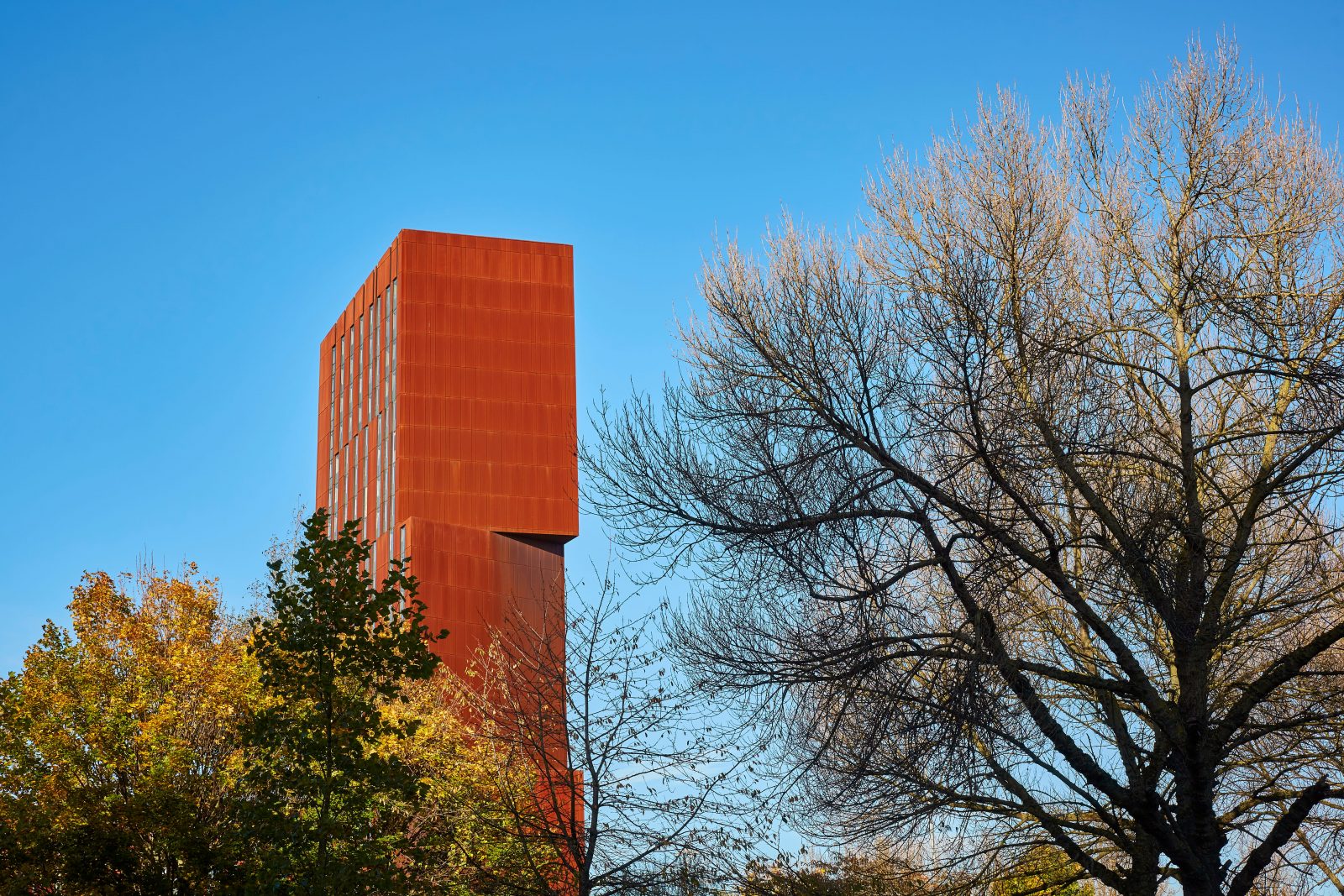
The university has built a cool network of weather sensors called Sensing Leeds, and during the peak of the recent May Bank Holiday sunshine, the sensor on top of the Rose Bowl building hit a blistering 33°C. Meanwhile, just 10 miles away in Bramham and Bingley, the Met Office recorded temperatures that were a much more reasonable 25°C.
Climate expert Dr Jim Parker explains that this is all down to the “urban heat island” effect. Basically, all our lovely city-centre concrete, brick, and tarmac absorbs the sun like a giant sponge all day. To make matters worse, it holds onto that heat long after sunset. Even at 9:00 PM on Monday night, while the lucky folks out in rural Scholes were cooling down, the city centre was still 3°C warmer—which explains why so many of us were tossing and turning in bed trying to sleep!
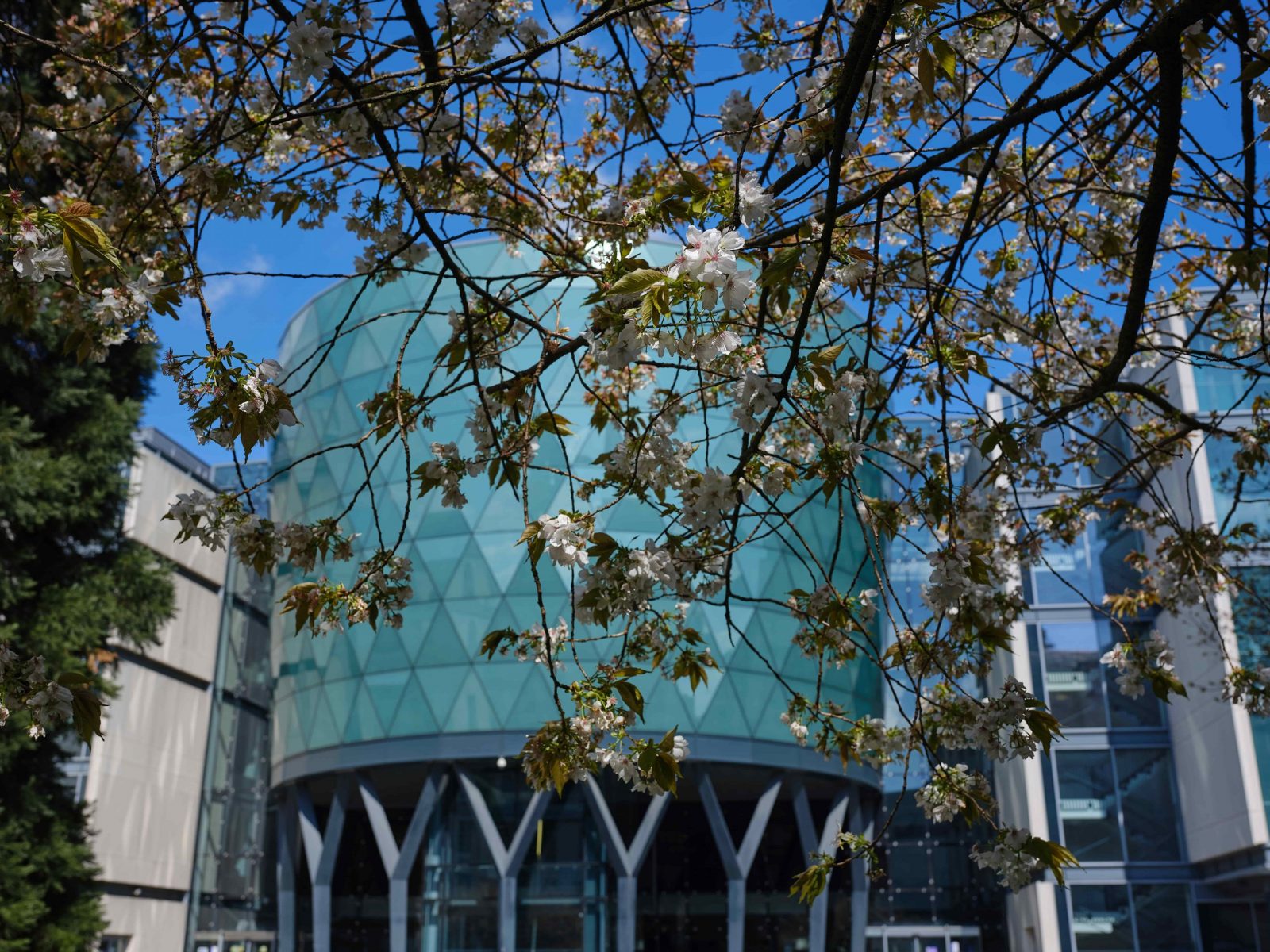
But the data did find a massive silver lining: nature is the ultimate air con. A sensor placed right by the River Aire was noticeably cooler during the afternoon, and Dr Parker’s research shows that sitting under a good patch of city trees can slash the temperature by up to 5°C. The university is now huddling up with Leeds City Council to figure out how to plant more trees and add more water features to stop the city centre from baking in the future.
“What we’re seeing is that different parts of Leeds experience microclimate conditions during hot weather.
“In some cases, moving just a short distance, such as from the city centre to a riverside location, can reduce temperatures noticeably.
“These differences matter, especially during heatwaves, because higher temperatures overnight can impact sleep, health and overall wellbeing. There are also important implications for personal safety, particularly for more vulnerable people during extreme heat.
“We’re continuing to engage with partners, including Leeds City Council, to understand how we can better plan for hot weather through the integration of green and blue spaces into the city.”