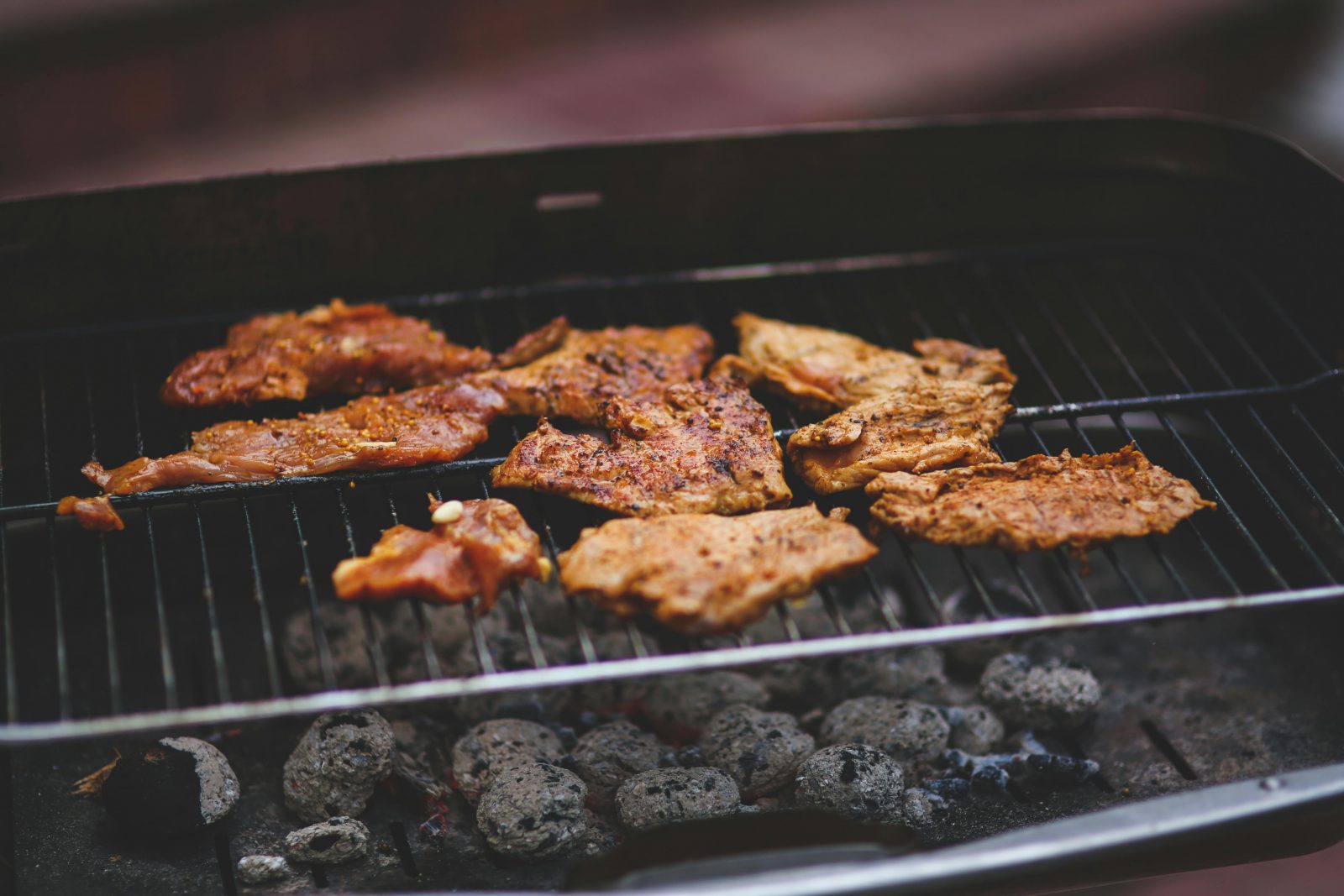
As the record-breaking sunshine of National BBQ Week begins to ease across the UK, many households are finding themselves with a mountain of leftover burgers, half-opened packages, and un-grilled sides.
To help families cut down on food waste, save cash, and protect their health, food safety experts at High Speed Training have released critical guidance on how to store leftover BBQ food correctly. Improper storage can quickly turn into a breeding ground for nasty bugs like Salmonella, E. coli, and Listeria.
Dr. Richard Anderson, Learning Experience Director at High Speed Training, warns that you cannot rely on a quick sniff-test to check if food is safe:
“Many people have leftovers after hosting a BBQ, and proper food storage is a critical line of defence against food poisoning. You might not realise that even if food looks and smells fine, it could still be unsafe if it has spent too long in the ‘temperature danger zone.’ By following a few simple steps, we can save money, protect our health, and help the planet.”

The Expert Rules for BBQ Leftovers
- The Two-Hour Window: Always let hot food cool down completely before putting it into the fridge or freezer. However, it must be packed away within two hours of cooking so it doesn’t sit out in the “danger zone” for too long.
- Ditch the Tin Cans: If you have leftover baked beans or canned fruit, never put the open tin straight into the fridge. The metal can actually transfer into the food and ruin the taste. Always transfer it into a sealed, airtight container.
- Avoid the Fridge Door: The shelves inside the door are actually the warmest part of your fridge. Keep your leftovers on the main internal shelves where the temperature is consistently cold, and leave the door for condiments and juices.
- The Three-Day Shelf Life: Label your leftovers with the date they were cooked. As a general rule, fridge leftovers need to be eaten within three days, while frozen items are best used within three months.
- Keep It Covered: Uncovered plates in the fridge are a major cross-contamination risk, which is especially dangerous if anyone in your house has food allergies. Wrap everything tightly in foil or use sealed tubs.
The experts also recommend using the “First In, First Out” rule, eating your older leftovers before cooking fresh meals, and splitting big portions into single-serve containers for quick, easy lunches.