
Caring for a dog quickly becomes part of the rhythm of everyday life. Breakfast gets served, leads are clipped on, walks happen, and there is usually someone waiting hopefully whenever the fridge door opens. Yet some of the smaller parts of dog care can easily slip down the list.
Dental care, digestion, grooming and even simple observations at home can tell us plenty about how a dog is doing. Paying attention to these areas doesn’t need to turn pet ownership into a complicated routine. Often, it comes down to noticing small changes and building a few sensible habits into the week.
Here are some of the dog care basics that deserve a little more attention.
Don’t Leave Dental Care Until There Is a Problem
A dog’s teeth are easy to overlook because they are mostly hidden from view. Unless your pet has particularly bad breath or seems uncomfortable while eating, you might not think to check their mouth regularly.
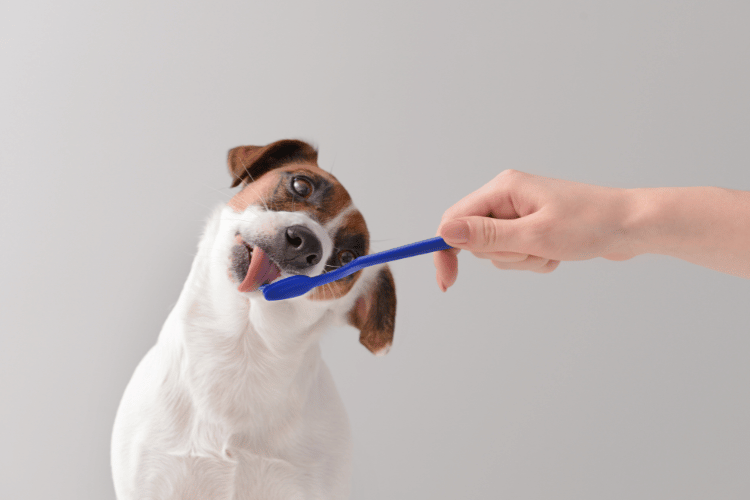
Getting your dog comfortable with having their mouth handled can make dental care much easier. Start gently and keep sessions short. Depending on your dog’s needs and your vet’s advice, a suitable dog toothbrush and toothpaste can become part of the routine.
It also helps to know what is normal for your dog. When checking their mouth, look out for changes such as unusually red gums, damaged teeth, obvious discomfort or a sudden reluctance to chew.
Never use human toothpaste unless a veterinary professional specifically tells you otherwise. Products designed for people may contain ingredients that aren’t appropriate for dogs.
Pup Labs is one example of a pet-focused brand owners may come across when looking into everyday dog care. Whatever products you consider, check what they are designed for and whether they suit your individual pet rather than treating them as a substitute for veterinary advice.
Pay Attention to What Happens After Dinner
We tend to think carefully about what goes into a dog’s bowl, but what happens afterwards matters too.
Appetite, toilet habits and general behaviour can offer useful clues about how a dog is feeling. One unusual day doesn’t necessarily signal a serious problem. Dogs can occasionally have an upset stomach, just as people can. Repeated or significant changes, however, deserve attention.
Keep an eye on:
- Sudden changes in appetite
- Repeated vomiting or diarrhoea
- Difficulty going to the toilet
- Noticeable changes in thirst
- Unusual tiredness alongside digestive problems
Consistency helps here. Feeding suitable food on a regular schedule makes it easier to spot when something changes. Treats and table scraps count as part of a dog’s overall diet too, so it is worth keeping track of extras rather than considering only their main meals.
Owners researching general pet wellbeing can also browse the Pup Labs website as part of their wider search for dog-care information and products. As with any pet product, read the label and instructions carefully, and speak to your vet when you have questions about your dog’s health or diet.
Grooming Is About More Than Looking Smart
A freshly groomed dog might look ready for a family photograph, but grooming has a practical purpose too.
Brushing gives you a chance to feel your dog’s skin and coat closely. While doing it, you may notice tangles, sore areas, lumps, ticks or other changes that would be difficult to spot from across the room.
How often a dog needs brushing depends largely on their coat. A short-haired dog and a long-haired dog won’t necessarily need the same routine, so work with the coat in front of you rather than following a one-size-fits-all timetable.
Don’t forget the less glamorous jobs either. Nails need attention, ears should be checked, and muddy paws deserve more than a quick wipe across the hallway mat. If your dog frequently licks a paw or suddenly dislikes having a particular area touched, take a closer look.
Make Exercise Fit the Dog in Front of You
“Take the dog for a walk” sounds straightforward. In reality, dogs have very different exercise requirements.
Age, breed, size, fitness and health can all affect what an appropriate activity level looks like. A long countryside walk may suit one dog perfectly and leave another struggling. Older dogs may prefer shorter, gentler outings, while energetic dogs might need more opportunities to move and engage their brains.
Exercise doesn’t have to mean covering miles. Sniffing, training games and play can all add variety to the day. Allowing a dog time to investigate interesting smells on a walk can make an ordinary trip around the neighbourhood far more engaging.
Watch how your dog behaves during and after activity. Heavy fatigue, reluctance to continue or stiffness afterwards can be signs that the routine needs adjusting. If exercise suddenly becomes difficult for them, speak to your vet.
Notice the Little Changes
One of the most useful dog-care habits costs nothing: pay attention.
Because we see our pets every day, gradual changes can be surprisingly difficult to notice. Think about your dog’s usual appetite, energy, movement, sleep and behaviour. Once you know their normal patterns, unusual behaviour tends to stand out more clearly.
Perhaps your dog suddenly avoids the stairs. Maybe they start drinking noticeably differently, leave food behind or become less interested in a favourite game. A change doesn’t tell you the cause, but it gives you a reason to watch more closely and seek professional advice when appropriate.
Routine veterinary appointments matter as well. Home care can help you notice problems, but it cannot replace a professional examination.
Final Thoughts
Good dog care isn’t only about the obvious things. Feeding, walking and affection matter, but so do the quieter jobs that are easy to postpone.
Take a look at your dog’s teeth. Notice their eating and toilet habits. Brush them slowly enough to check their skin. Keep an eye on their movement, energy and everyday behaviour.
Most importantly, get to know what is normal for your particular dog. Small routines make it easier to notice when something changes, giving you the chance to act rather than simply overlook it. That’s a simple habit, but it can make day-to-day care much more thoughtful.