The voices of women and girls across North Yorkshire are helping to shape future health and wellbeing support after hundreds of people shared their views through a public survey exploring the issues that matter most to them.
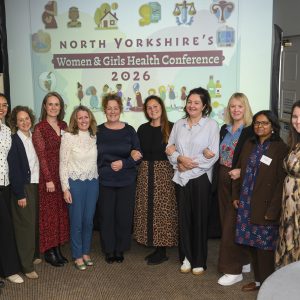
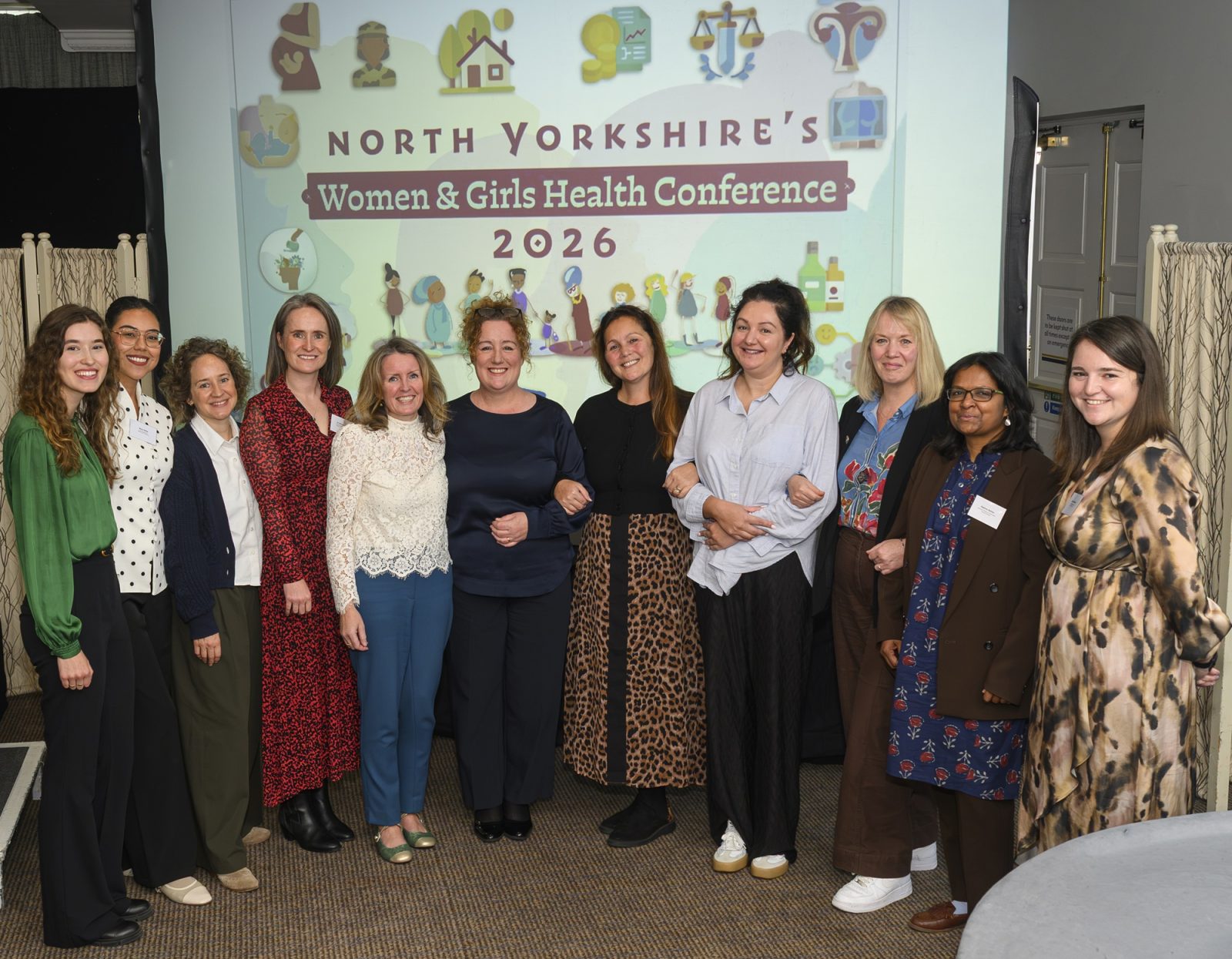
A conference held at the Pavilions in Harrogate, brought together NHS professionals, community organisations, education providers, employers and local government partners to discuss the draft North Yorkshire Women and Girls Plan, which sets out a shared vision for tackling health inequalities and improving outcomes for women and girls across the county.
The plan has been informed by the views of more than 1,600 residents and highlights a range of issues affecting women and girls including healthy ageing, mental and financial wellbeing, menopause support, physical activity, menstrual health, safety and violence against women and girls.
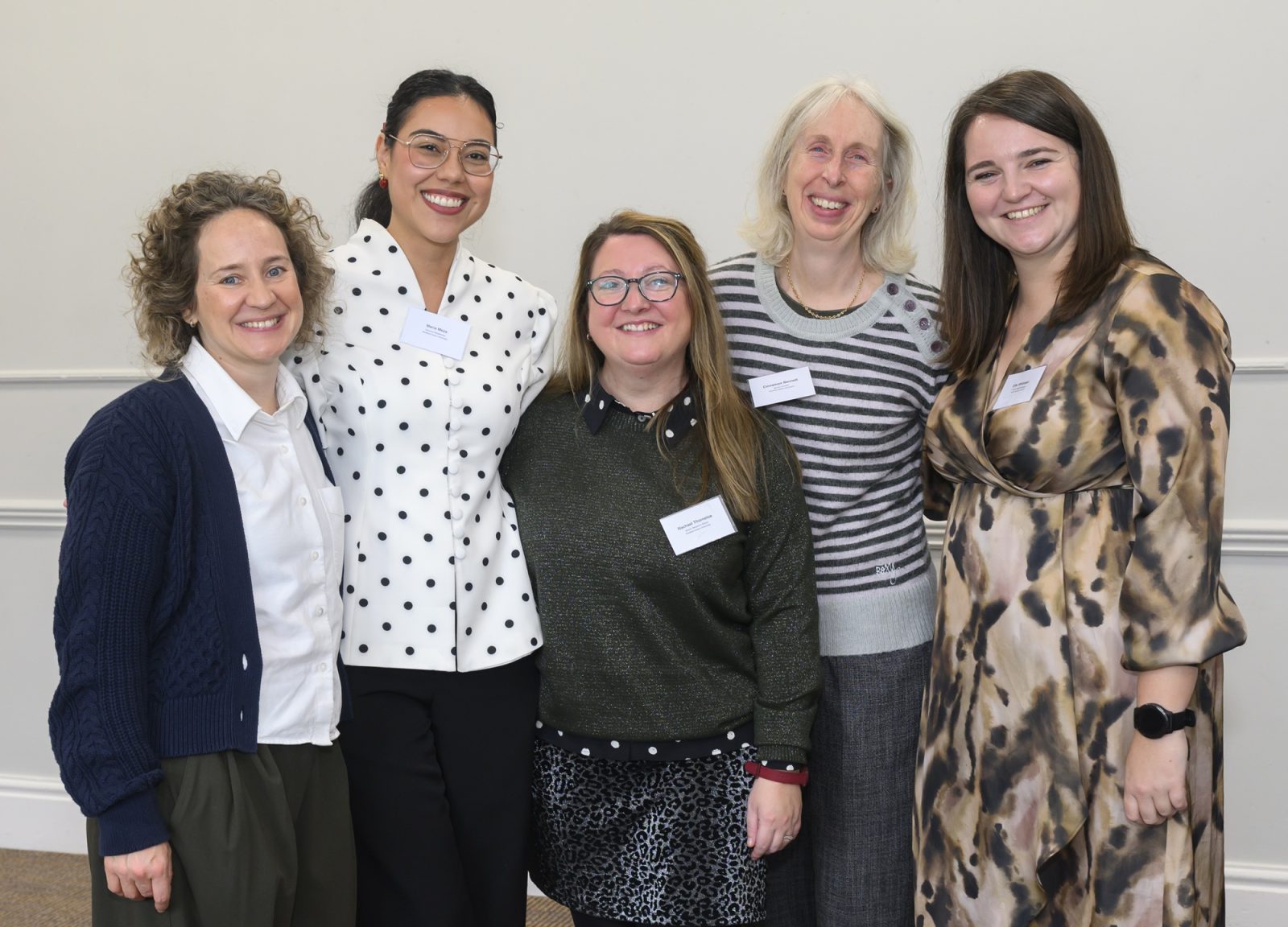
The event, organised by North Yorkshire Council, provided an opportunity for people to share their experiences, discuss priorities and help refine the plan before it is finalised.
North Yorkshire Council’s executive member for health and adult services, Cllr Michael Harrison, said: “Women and girls experience unique health challenges throughout their lives and we know there is more we can do to improve outcomes and reduce inequalities.
“This conference was an opportunity to listen, learn and work together with partners to ensure the experiences and priorities of women and girls continue to shape the support and services available across North Yorkshire.”
The collaborative approach has been reflected in initiatives such as Girls’ Group Knaresborough, which provides a welcoming and supportive space for girls who are socially isolated, anxious or have additional needs, helping them to build confidence, develop friendships and take part in activities in a way that feels safe and accessible.
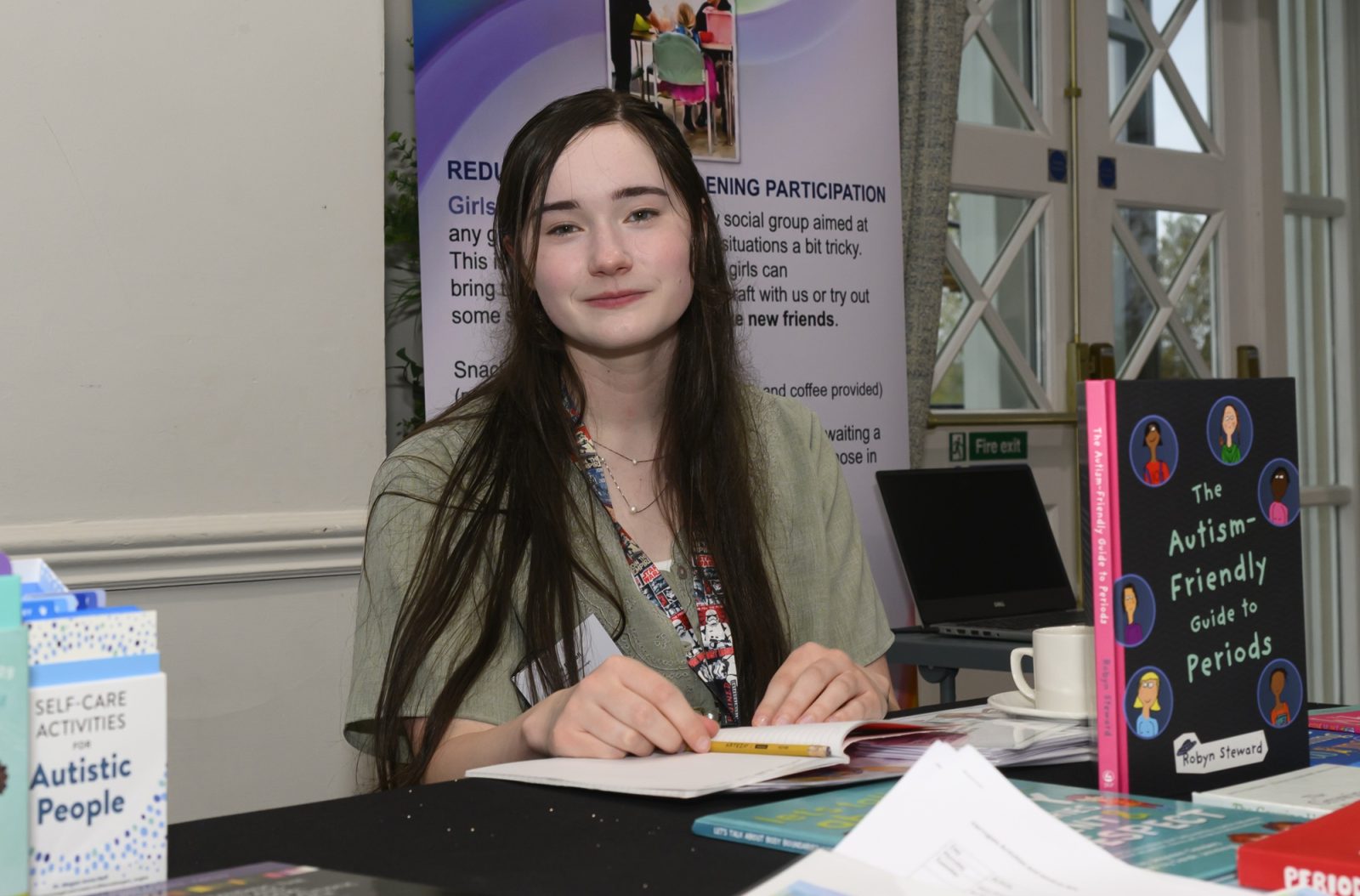
Youth lead, Miss Alice Farrell, said: “The group supports neurodivergent girls as well as young people with Down’s syndrome and physical disabilities while also offering guidance and peer support for parents and carers.
“Through a gradual and supported approach, the project helps participants increase their independence, wellbeing and involvement in community life, with some attending as their only regular opportunity to leave home and socialise.”
The draft strategy also includes commitments to strengthen the voice of women and girls in developing services, improving awareness of available support, increasing understanding of women’s health issues among professionals and using local data and research to monitor progress and identifying areas where more action is needed.
North Yorkshire Council’s director of public health, Louise Wallace, was among the speakers.
She said: “We want girls and women to live safe and healthy lives and we want them to feel heard in their health and wellbeing plans.
“The experiences shared at today’s conference highlight the importance of listening to women and girls and ensuring their voices help shape the services and support available to them.
“From improving understanding of menstrual health and accessing healthcare, to building confidence through sport, community involvement and social connections, these stories show how the right support can make a real difference.
“By working together with our partners and local communities, we can better understand the challenges women and girls face and take meaningful action to improve health, wellbeing and opportunities across North Yorkshire.”