It’s the time of year that many dog owners dread, causing weeks of disruption, lost sleep and little social life. And despite Bonfire Night being weeks away, experts say that now is the best time to start preparing your anxious pet.
Natalie Walters, Veterinary Surgeon at Animed, has advised how dog owners can start preparing now, as gradual desensitisation and early planning are a proven method to help make dogs feel safer and more supported.
“Don’t wait for the first bang,” Dr Walters warned. Desensitisation is one approach that can help dogs become more comfortable with firework sounds. It involves introducing noises at a very low level, while the dog remains relaxed, and gradually increasing the intensity over time.
Owners can pair the sounds with something their dog enjoys, such as treats, a favourite game or other positive activity. This helps create a more positive association with the noise, which is another reason why starting well ahead of Bonfire Night is so valuable. Short, regular and positive sessions give your dog time to learn without being overwhelmed, and there is no need to rush from one stage to the next.
Dr Walters explained that this process takes time: “Little and often is more helpful than trying to fit lots of preparation into the days immediately before Bonfire Night. Preparation isn’t about seeing how much noise they can tolerate, but giving them repeated, positive experiences at a level they’re comfortable with.”
Desensitising your dog to fireworks can come with common pitfalls that risk worsening anxiety if rushed or carried out incorrectly. Mistakes include playing sounds too loudly, increasing the volume too quickly, continuing training when a dog is showing signs of stress, or leaving preparation until the last minute. Owners should avoid overwhelming their dog and seek veterinary advice if the fear is severe or worsening.
Know the subtle signs of anxiety
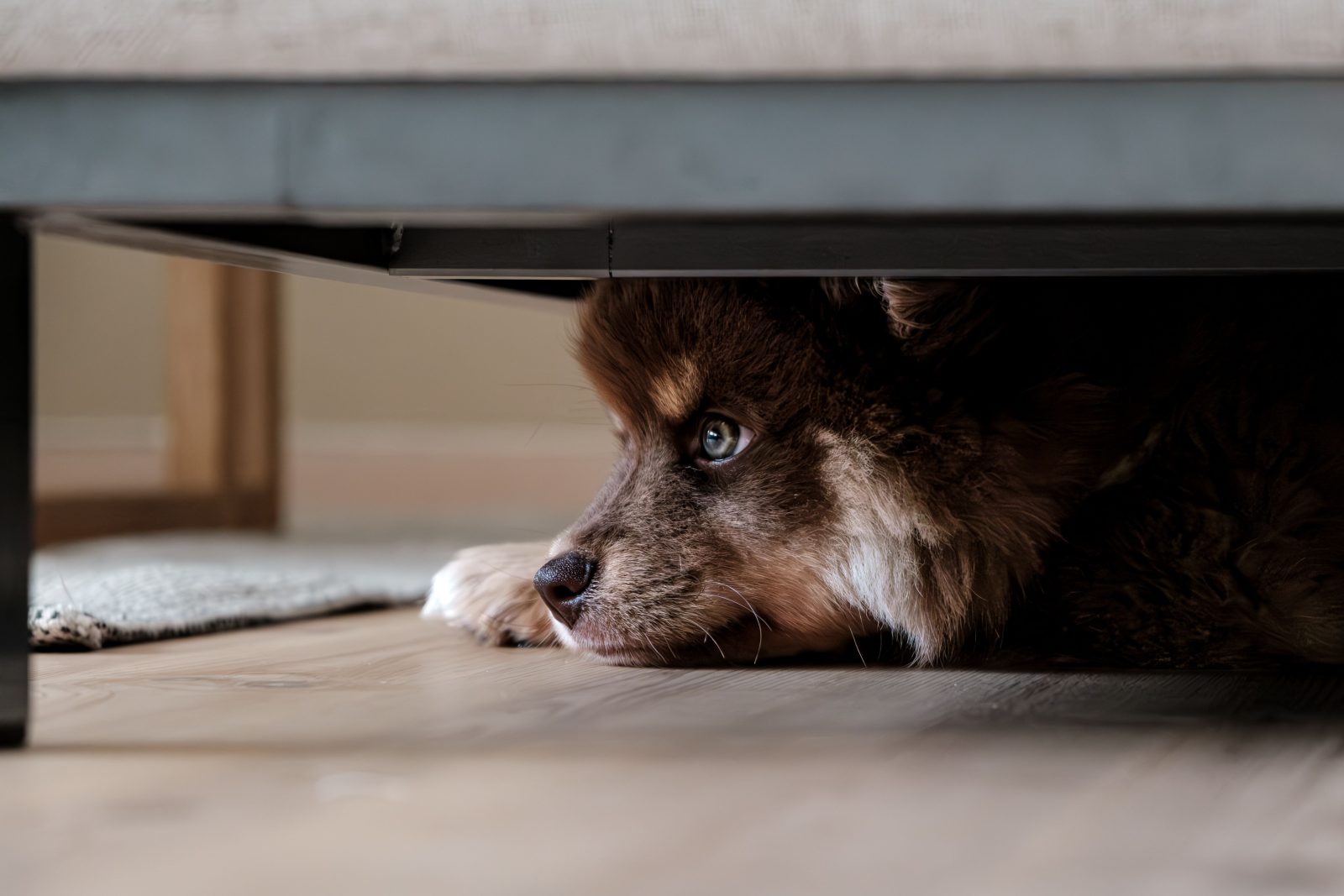
Some dogs make their fear obvious by shaking, hiding, barking, or trying to escape. However, anxiety is not always so easy to spot, with less obvious symptoms including:
- Panting when they are not hot
- Pacing or being unable to settle
- Drooling or repeatedly licking lips
- Becoming unusually clingy
- Refusing treats
- Wide dilated pupils, or showing more of the whites of their eyes
- Seeking out unusual hiding places
“A dog being very quiet doesn’t necessarily mean they’re coping well,” Dr Walters noted. “Owners know their dog best, so it is important to look for any change from what’s normal for them.”
Create a safe space before the fireworks begin
On the night, keeping a predictable routine while making a few practical changes around peak firework hours can make a huge difference. On evenings when fireworks are expected, exercise your dog earlier to ensure you are home before dark. Depending on your pet’s normal habits, bringing feeding and toilet breaks forward prevents them from needing to go outside during the loudest periods.
Introducing these schedule shifts gradually in the lead-up will make the evening feel far more routine. Once fireworks kick off, the best response is to stay calm and let dogs cope however they feel most comfortable. Dr Walters added: “Never punish or tell a frightened dog off. Fear isn’t a negative behaviour, and they aren’t choosing to react that way.”
Should you speak to a vet?
A range of support is available to help pets manage anxiety, including calming supplements, pheromone products, and prescription medication for severe cases.
“Alongside behavioural preparation and environmental changes, you may want to discuss options such as calming supplements or pheromone products with your veterinary team. Many products work best when introduced before an anticipated stressful period, rather than waiting until the fireworks have already started,” explained Dr Walters.
For dogs with established phobias, early professional guidance is essential: “Speak to your veterinary surgeon well ahead of firework season. They can assess your dog and discuss whether additional veterinary support, including prescription medications where appropriate, could form part of an individual plan.”
The golden rule for owners this season: start early, go slowly, and let your dog set the pace.