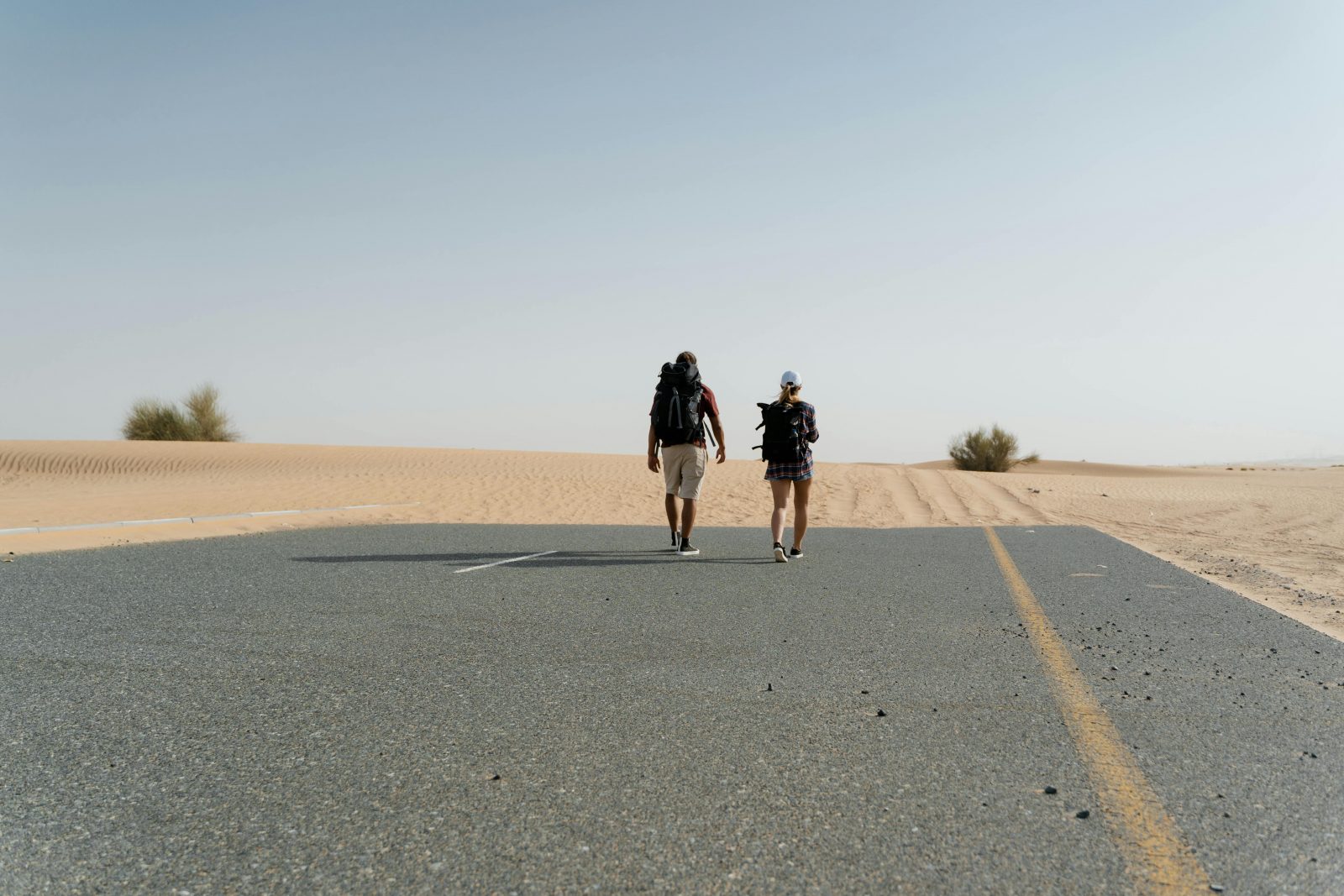
Going off the beaten track requires more than just a sturdy pair of boots and a good backpack. When you are heading into remote places or tackling physically demanding activities you need seven core health essentials to stay safe. These include enough prescription medications, a compact first aid kit, basic over the counter remedies, pre trip health checks, sun and insect protection, basic hygiene supplies, and hydration gear.
I know how tempting it is to just throw some plasters in a bag and hope for the best.
Social media makes trekking through jungles or climbing mountains look completely effortless. You see people posing on cliffs looking pristine and you think it will be a breeze. But getting sick halfway up a mountain changes your perspective pretty fast.
It is easy to ignore health planning when you are excited about a trip. I think we all do that in our twenties. You assume your body will just handle whatever you throw at it. Then you hit your thirties and realise a bad stomach bug can ruin a whole week of expensive travel.
Prescription Medications
Always pack enough medication for your entire trip plus an extra week. Unexpected delays happen constantly when you travel to wild places. Flights get cancelled or a sudden storm keeps you stuck in a remote village longer than you planned. You really don’t want to run out of essential pills when the nearest pharmacy is a three day walk away.
Keep all medicines in their original packaging inside your hand luggage. NEVER put them in your checked bag. Checked bags go missing all the time and waiting for an airline to find your luggage while you miss your medication doses is a nightmare.
Carry a copy of your prescription or a doctor’s letter too.
Border officials can be surprisingly picky about unmarked pills in a random ziplock bag. Which makes sense I suppose. Different countries have very strict rules about what is legal. Some painkillers that are perfectly normal in the UK are banned elsewhere. It is always better to have the official paperwork to prove why you need them.
If your trip crosses multiple time zones you should also plan your dosing schedule in advance. Taking a pill at 8 AM at home is very different when you are twelve hours ahead. Mistakes are often made by tired travellers trying to do the math in their heads.
A Compact First Aid Kit
Minor scrapes and blisters are incredibly common on active holidays. You might think your boots are perfectly broken in but a long trek in unusual heat will prove you wrong. Feet swell up. Friction happens. Suddenly every step is pure agony.
Pack a small kit containing blister plasters, sterile gauze, medical tape, antiseptic wipes & tweezers. You do not need a massive paramedic bag. Just the basics to manage minor injuries on the go.
Tweezers are absolutely vital for splinters or ticks. I remember pulling a massive tick off my leg in the Scottish Highlands a few years back. It wasn’t pleasant at all. I ended up needing a specific tick removal tool eventually but regular tweezers will do in a pinch if you are very careful.
A small elastic bandage is a lifesaver if you twist an ankle on a loose rock. It won’t fix a broken bone but it gives you enough support to hobble back to camp.
Over The Counter Remedies
Access to a pharmacy can be virtually non existent in remote destinations. You really want to bring a small supply of paracetamol or ibuprofen to manage random aches and pains. Carrying a heavy backpack all day will make muscles ache in ways you didn’t know were possible.
Non drowsy antihistamines are another must have. Bug bites can swell up badly in tropical climates. Sometimes you brush against a weird plant and your skin reacts instantly. An antihistamine takes the edge off that reaction.
Then there is the dreaded stomach bug.
Antidiarrhoeal tablets are crucial so you can manage common ailments quickly. You do not want to be stuck on a long bus ride through winding mountain roads with a bad stomach. Trust me on that one. It is a miserable experience.
Perhaps throw in some motion sickness pills as well. Even if you don’t usually get travel sick the roads in some places are wild. Local bus drivers often treat cliffside dirt tracks like a Formula One circuit.
Pre Trip Health Checks
Researching the health risks of your destination is crucial before you fly. Different countries have entirely different risk profiles. What is safe in one region might be highly dangerous just across the border.
We highly recommend booking a consultation at a local clinic at least six to eight weeks before departure. This gives you time to discuss travel vaccines and malaria prevention properly. Some shots need multiple doses spaced out over weeks so you can not just leave it until the day before you travel.
Why do we always assume we are invincible?
It is easy to forget about this stuff until the last minute. I almost missed a booster for a trip to South America because I just assumed I was covered from a previous holiday. It turns out immunity fades.
Check resources like the NHS Fit for Travel website for reliable destination specific advice. It is better to know the risks upfront than to find out the hard way.
Sun And Insect Protection
Protecting yourself from the elements is a massive priority. Sunburn can completely ruin a trip and heat exhaustion is genuinely dangerous. The sun hits differently at high altitudes or near the equator. A mild sunny day can fry your skin in twenty minutes.
Pack a broad spectrum sunscreen with a high SPF and a wide brimmed hat. Reapply it constantly. Sweating washes it off faster than you think.
You also definetely need a reliable insect repellent containing DEET or picaridin. Mosquitoes are more than just annoying. They carry diseases that you really want to avoid. Dengue fever is not something you want to experience on your holiday.
I will warn you that strong DEET can melt certain plastics. Keep it away from your sunglasses and camera gear. Sometimes physical barriers work best anyway. Long sleeves and trousers might feel too hot but they are highly effective against bites.
Basic Hygiene Supplies
Basic hygiene is your absolute best defence against stomach bugs. It sounds simple but washing your hands prevents a massive percentage of travel illnesses. You touch so many dirty surfaces when you are moving around.
Carry a travel sized hand sanitiser with at least 60 percent alcohol. You will use it constantly. Before you eat, after you use public transport, after you handle local currency.
Bring some biodegradable soap and a small pack of tissues.
Facilities in remote locations are often just a hole in the ground with zero toilet paper. It is best to be self sufficient to accomodate the lack of amenities. Finding out there is no paper after the fact is a rookie mistake.
I always keep a small pack of wet wipes handy. They are brilliant for a quick clean up when a shower isn’t an option for a few days.
Essential Hydration Gear
Staying hydrated is critical during physical exertion. Heat and exercise drain your fluids much faster than you realise. By the time you feel thirsty you are already slightly dehydrated.
Bring a durable reusable water bottle. Single use plastic is terrible for the environment and often hard to find in truly wild places anyway. Plus a good metal bottle keeps water cool for hours.
Consider packing water purification tablets or a portable filter. You never know when you might need to drink from a stream or a questionable tap in a hostel. The tablets taste a bit like a swimming pool but they kill the bad stuff.
Oral rehydration sachets are excellent for replacing lost electrolytes. Sweating buckets in a jungle will leave you feeling completely drained without them. Plain water isn’t always enough to replace what you sweat out.
Final Thoughts
Preparing for an adventure holiday does take a bit of effort. It is not as simple as booking a flight and throwing clothes in a bag.
But packing the right health essentials gives you true peace of mind. You can actually focus on the experience instead of worrying about what happens if you get a blister or a weird bug bite.
I have learned the hard way that a little preparation goes a very long way. Being self reliant in remote places feels good. It gives you confidence to push your limits safely.
Take the time to pack your medical kit properly. Check your vaccine status early. Stay hydrated & look after your feet.
Stay safe out there.