
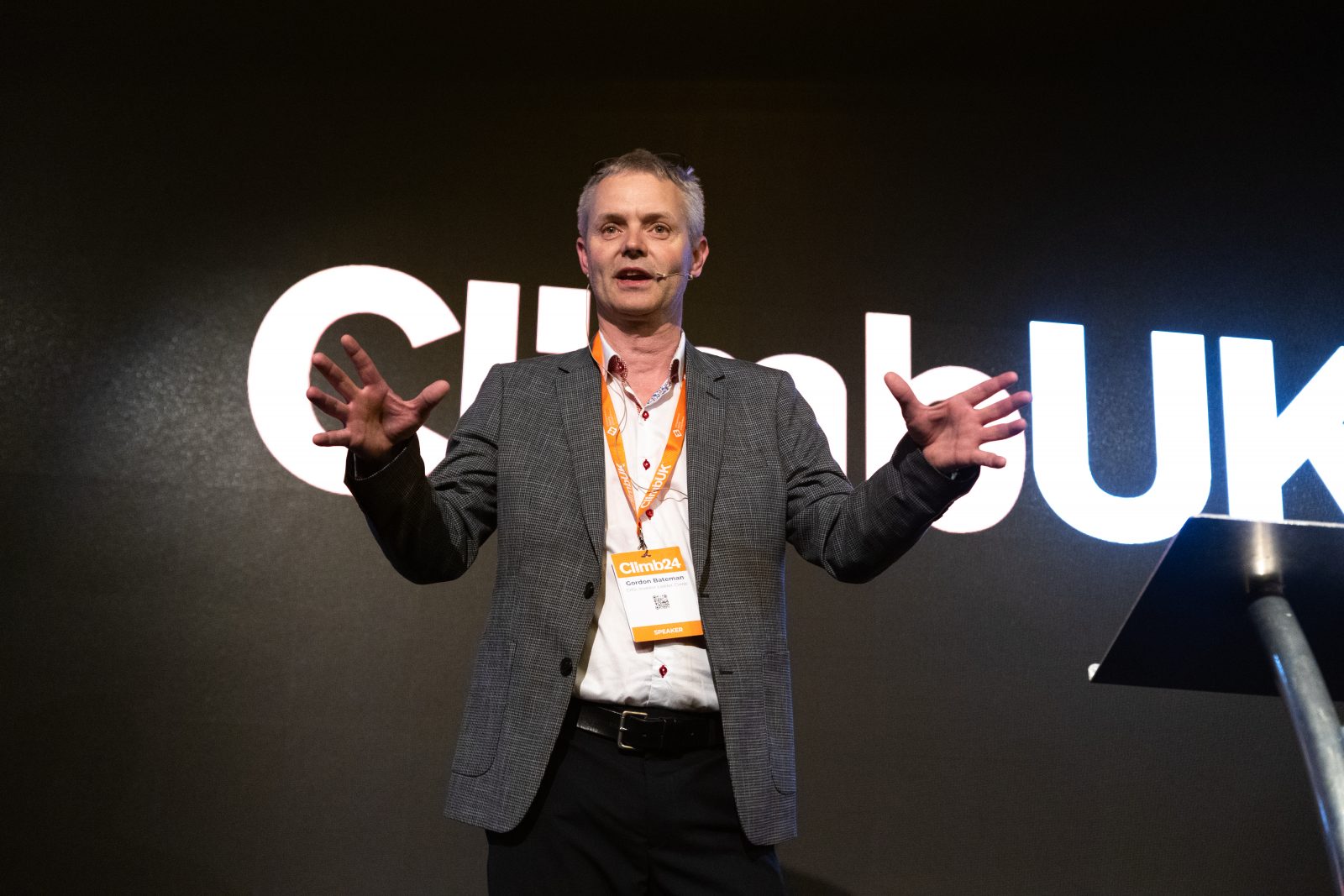
If you have ever spent a day wandering around a traditional business conference, you probably know the feeling: massive stages, polished celebrity speakers, and high-level economic theories that sound great but do not actually help you when you get back to your desk on Monday morning.
Gordon Bateman wanted to build something that felt a bit more useful. After decades of working alongside fast-growth companies, founders, and investors, he launched ClimbUK to skip the corporate fluff and focus entirely on the messy reality of running a business.
Now entering its fourth year, the platform’s flagship festival, Climb26, is returning to the Royal Armouries Museum and Leeds Dock on 1st and 2nd July. Instead of predictable corporate panels, the event brings together thousands of entrepreneurs, operators, and investors to share practical, honest lessons from the trenches. Many of the speakers are purposely chosen because they are just a step or two ahead of the audience, making the advice completely relatable and actionable.
The two-day festival is explicitly designed to tackle some of the toughest, unvarnished challenges in the UK startup landscape, from the fact that all-female founding teams still secure just 2% of venture capital funding to the massive geographic imbalance that sees most investment concentrated in London and the South East. Across 40 workshops, pitch sessions, masterclasses, and curated networking hubs, the goal is simple: create real, casual spaces for meaningful connections.
We sat down with Gordon to chat about the driving frustration behind the event, what happens when a founder accidentally becomes their own biggest bottleneck, and why he believes business is ultimately about trust and human chemistry.
Q: Every founder has a “lightbulb moment” where they realise the current market isn’t working. What was the driving frustration or gap in the market that compelled you to step up and launch ClimbUK?
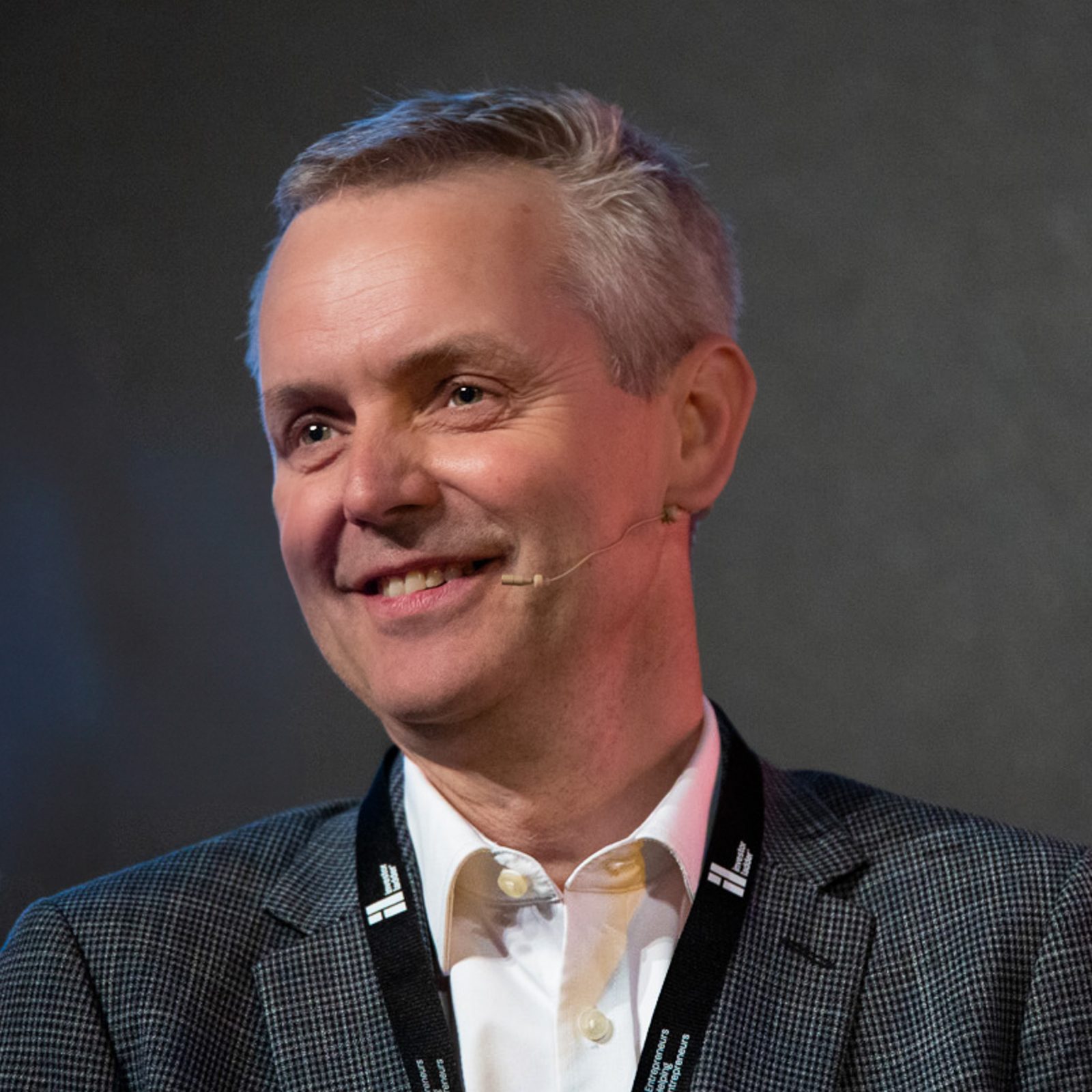
A: The frustration was that I kept seeing brilliant founders and businesses outside London who simply did not have the same access to investors, networks, visibility and practical support.
After 30 years working with founders, business leaders and investors, I knew the talent was there. The ambition was there. The quality of businesses was there. But too often, the access was not.
At the same time, I felt the traditional business event model was not really solving the problem.
There were plenty of events with big stages, big-name speakers and big crowds, but founders were telling us that they often left exhausted, without meeting the people they actually needed to meet.
ClimbUK was created to do something different: to bring the right people together in a curated, practical and outcome-focused way. Not just to inspire founders, but to help them make useful connections, learn from people who had real experience, and leave with something they could actually use to grow their business.
Q: We often hear about the massive economic pull of London and the South East. In your experience, what are the unique advantages and untapped potential of regional business hubs like Yorkshire that national investors frequently overlook?
A: Don’t get me wrong, I am delighted that the UK is the 3rd largest Venture capital market in the world, and whilst we often hear that London still commands roughly 60% of total UK investment value, accounts for around 47% to 54% of deal volume, and is home to around 80% of UK VC firms…
Perhaps what people don’t talk about quite as much is that whilst London still attracts the largest cheques, early-stage deal counts are becoming more distributed.
Nearly half of all VC-backed businesses in the UK are now based outside London, which means the regions are full of start-ups raising smaller, earlier-stage rounds.
The opportunity around regional university spin-outs is also one of the most dynamic areas of growth in the UK venture landscape.
But the structural challenges are real.
Q: Building a business ecosystem from the ground up requires tackling systemic issues. What do you believe is the single biggest barrier facing ambitious UK entrepreneurs today when it comes to accessing vital investment and networks?
A: Perhaps this is a bit controversial, but I believe that the biggest barrier is not always the absence of capital; it is access to the right people at the right time.
Many founders do not know which investors are relevant to them, how to approach them, how to position their business, or what they need to prove, before they are genuinely investable and transactable.
At the same time, many investors do not have enough visibility of strong regional opportunities.
That creates a gap on both sides.
Founders can spend huge amounts of time chasing the wrong investors, while investors miss businesses that could be a very good fit. The result is frustration, wasted time and slower growth.
That is why curation matters. It is not enough to just put people in a room and call it an ecosystem. You have to understand who needs to meet whom, why that relationship might matter, and what needs to happen before, during and after that introduction to make it valuable.
Q: When business leaders look for guidance, they are often met with high-level theory rather than practical reality. Why do you advocate so strongly for peer-to-peer learning and sharing honest, raw lessons from the trenches?
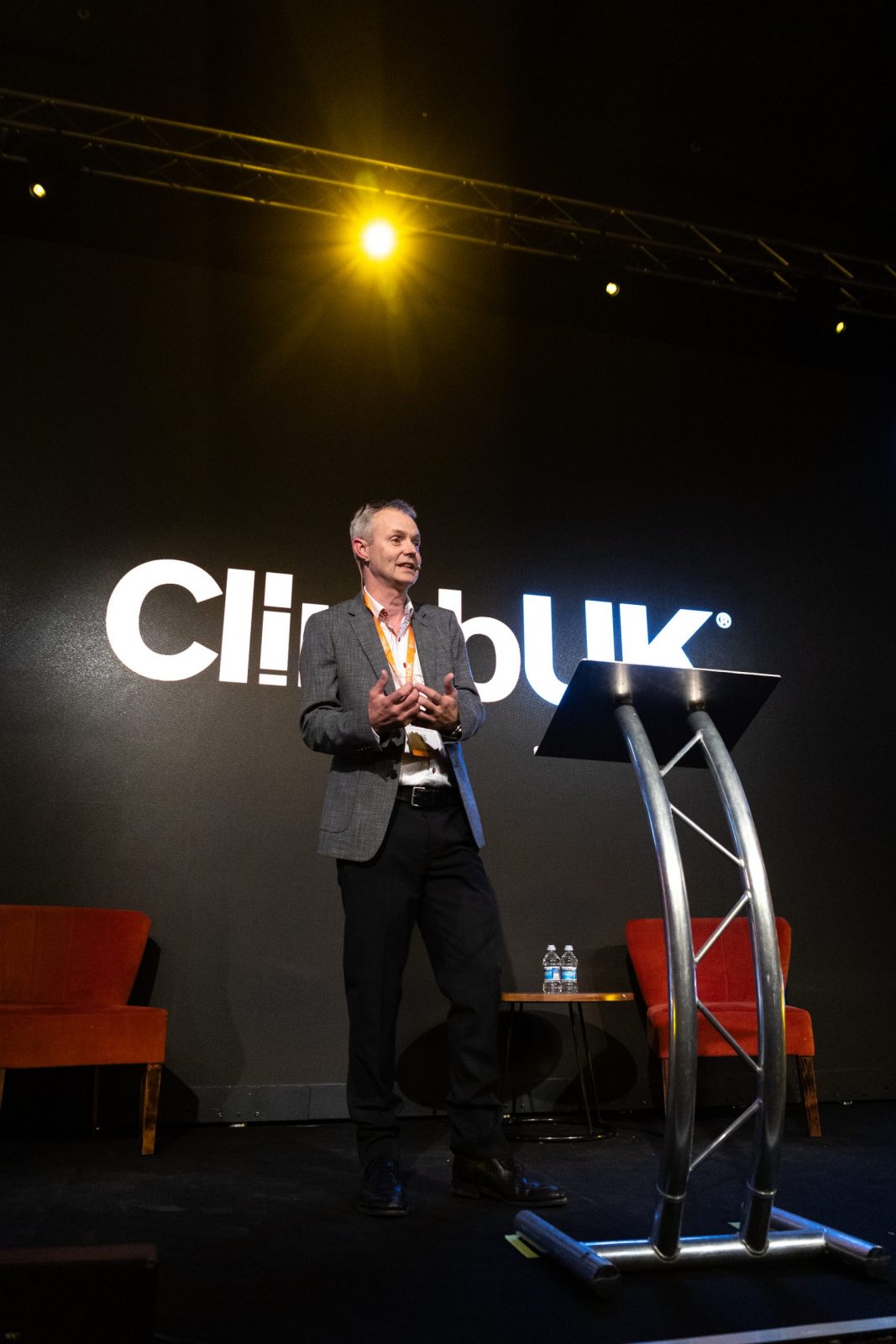
A: We recognised that there are many events, perhaps too many, that follow the same format: professional speakers, polished keynotes, sector predictions, big economic views and personal success stories.
There is nothing wrong with those events:
A keynote on the “steps to building a billion-dollar business” can be interesting.
A celebrity founder or influencer running around the streets interviewing billionaires can be entertaining.
A high-level view of the economy can be useful.
But founders need more than inspiration, they also need practical advice, honest insight and real tools they can take away, implement and use to grow.
We don’t grow businesses in theory. We are in the real world, where things are messy, fast-moving and often uncertain.
From speaking to thousands of founders, they tell us that what they really value is hearing from people who have been through the difficult moments: raising money, losing customers, hiring the wrong people, restructuring teams, entering new markets, managing cash, making mistakes and finding a way through.
Peer-to-peer learning also creates trust. A founder is far more likely to open up about a problem when they are speaking to someone who understands the pressure and has faced similar challenges.
That is why ClimbUK is built around practical insight from experienced entrepreneurs, investors, operators and specialists. Inspiration matters, but it has to be connected to action.
Founders need ideas they can take away and implement, not just polished stories that sound good from a stage.
Q: As the CEO of an organisation dedicated to helping others scale, what is the most critical hurdle you see business leaders face when trying to transition from a small startup to a high-growth operation?
A: I can say this from my own experience and my own admission – the founder CEO syndrome, where we get in the way. Where we become the bottleneck to decision making, and where our “Why” can get in the way.
In the early stages, a business is driven by the founder’s vision, relationships, resilience and ability to get things done. That can take you a long way, but it cannot scale indefinitely.
At some point, the business needs stronger systems, better leadership, clearer roles, deeper management capability and the right people around the founder.
As a founder, you have to move from doing everything to building a team that can execute without everything running through you.
That transition is often really difficult because it requires letting go.
Yes, it also means hiring better than yourself, creating accountability and building culture deliberately rather than accidentally. We have all read it in a book, heard it on a stage or been taught in an accelerator programme, and most founders I know do try to do that from the start.
The hard bit is knowing when the right time is, and having the emotional intelligence to move. This is particularly hard if you are building a business based on passion and purpose.
Q: Technology is rapidly reshaping how we network and manage operations. How do you approach integrating modern tech tools into your business strategy without losing the core, irreplaceable value of genuine human connection?
A: As you can imagine, having spent over 30 years helping businesses design, build and retain high-performing teams, the importance of having the right people in a business is at my core.
I therefore see technology play a critical part as an enabler, not a replacement for human connection.
At ClimbUK, we are using the latest technology to make the human experience better. For example, “Climb Growth Score” (which we have launched for Climb26) will help founders understand where they most need support and connect them with the most relevant sessions, investors and growth partners.
Our investor matching platform is designed to make introductions more targeted and useful.
And most recently, our new “Climb Insights” platform, built on the latest AI harnesses technology and will help investors, ecosystem builders, policymakers and support organisations access current, practical intelligence to improve speed and quality in decision making.
But the real value still comes from trust, conversation, judgement, chemistry and relationships. Technology can help identify the right people, reduce friction and improve decision-making, but it cannot replace the moment when a founder sits across from someone who understands their business and can genuinely help them move forward.
The best use of technology is to make those moments more likely and more productive.
Q: Reflecting on your own journey as a founder and leader, what is the most valuable lesson you have learned about building a resilient, high-performing team?
A: Obviously, this is where I do have genuine domain expertise, and I could write a book on it, so I will just pick a couple of areas
High-performing teams are not built by simply hiring impressive people and hoping they work well together. You need alignment, trust and shared standards. Teams need clarity on what matters, honesty about where the business is going, and a culture where people can challenge each other without politics or ego getting in the way.
When things are difficult, people need to know that they are part of something meaningful, that their contribution matters, and that the people around them will do what they say they are going to do.
I have also learned that leaders have to be very deliberate about the environment they create. You get the behaviour you tolerate, and if you want a team that is ambitious, generous, accountable and resilient, you have to model that consistently and make sure the people around you believe in the mission, not just the job.
As an example:
We know from experience that the final few weeks before the ClimbUK festival are the most intense and stressful of the year for us.
The deadlines are immovable, and everything feels as though it sits on the critical path. Some of the work we are doing now may feel like small changes and may not have the excitement of the bigger strategic tasks we were focused on in previous months, but these final details are critical to the success of the event.
Add to that the fact that we are working incredible hours, we are all tired, we are all passionate about making this the best ClimbUK event yet, and we are all highly capable people who care deeply about getting it right.
That is why, in meetings, calls and day-to-day conversations, we need to keep coming back to the shared goal. We should be able to challenge each other, speak directly and have robust conversations, while always remembering that they come from a place of respect, trust and commitment to the same outcome.
Q: If you could sit down with an ambitious entrepreneur who is just starting on their growth journey today, what is the one piece of definitive advice you would give them to accelerate their success?
A: Here, I am not the expert. Our job is to help founders get access to the very best support. So my advice would be: Be very clear about who you need around you.
Most founders focus heavily on the product, the pitch and the funding, and of course, those things matter. But the speed and quality of your growth will often be determined by the people you surround yourself with.
Only yesterday, I was talking to a very successful entrepreneur turned investor, and he explained this in very simple terms. What investors look for (because they know what makes a good business) is, in this order, – People, market, product.
That means the right co-founders, team members, investors, advisers, mentors, customers and peers.
I would add that you need people who will challenge you, open doors, tell you the truth, and help you see around corners. Not just somebody you already know, you need to be intentional about it:
Work out what you need next, who can help you get there, and how you can build relationships that are genuinely useful on both sides.
The founders who move fastest are usually the ones who build the strongest support system around them.