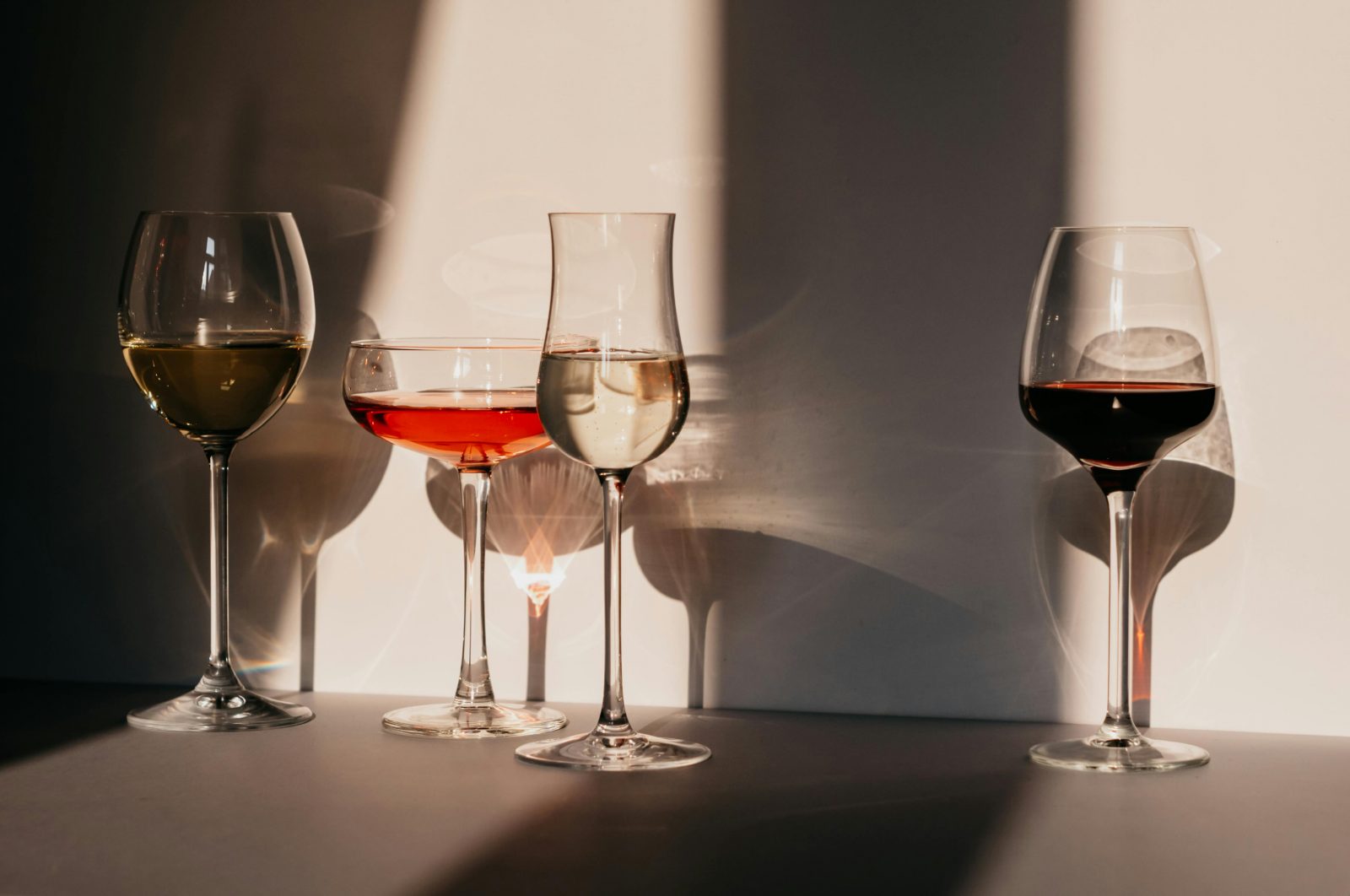
Robb Denomme, Founder and CEO of Genuwine Cellars, has released a comprehensive guide to wine preservation, detailing exactly how long different varieties remain at their peak after the cork is pulled. With nearly 30 years of experience and over 10,000 bespoke cellar projects completed worldwide, the Genuwine team is aiming to help enthusiasts protect their investments and avoid the common pitfall of serving wine past its prime.
The Lifespan of an Open Bottle
The longevity of wine once exposed to air depends on its structure, alcohol content, and tannins. Denomme breaks down the timelines for each major category:
- Sparkling Wine (1–3 Days): These are the most delicate. Even with a high-quality sparkling wine stopper, the carbon dioxide dissipates quickly, causing the wine to go flat and lose its character within 72 hours.
- Light White & Rosé (3–5 Days): Varieties like Pinot Grigio and Sauvignon Blanc rely on freshness. Immediate refrigeration and a tight seal are essential to preserve their vibrant fruitiness.
- Full-Bodied White Wine (3–5 Days): Oaked whites like Chardonnay have more complexity, which offers a bit more staying power against oxidation. Some may even improve on day two or three as they “open up.”
- Light Red Wine (3–5 Days): Low-tannin reds like Pinot Noir oxidise faster than bolder styles. Denomme recommends refrigerating these to slow the process, though they should be warmed slightly before serving.
- Full-Bodied Red Wine (4–6 Days): Wines such as Cabernet Sauvignon and Syrah are the “champions of longevity” due to their high tannin content, which acts as a natural barrier against oxygen.
- Fortified Wines (2–4 Weeks): Port, Sherry, and Madeira are highly resilient thanks to their higher alcohol content (17-20% ABV), which acts as a preservative.
Expert Tips for Better Preservation
To extend the life of any bottle, the primary goal is to minimise oxygen exposure. “Cooler temperatures slow oxidation dramatically,” says Denomme, “which is why refrigerating all wines, even reds, makes such a difference.”
When it comes to identifying spoiled wine, Denomme advises trusting your nose. “If it smells like vinegar, wet cardboard, or nail polish remover, it’s time to pour it out. Wine should smell inviting, not sharp or unpleasant.”