
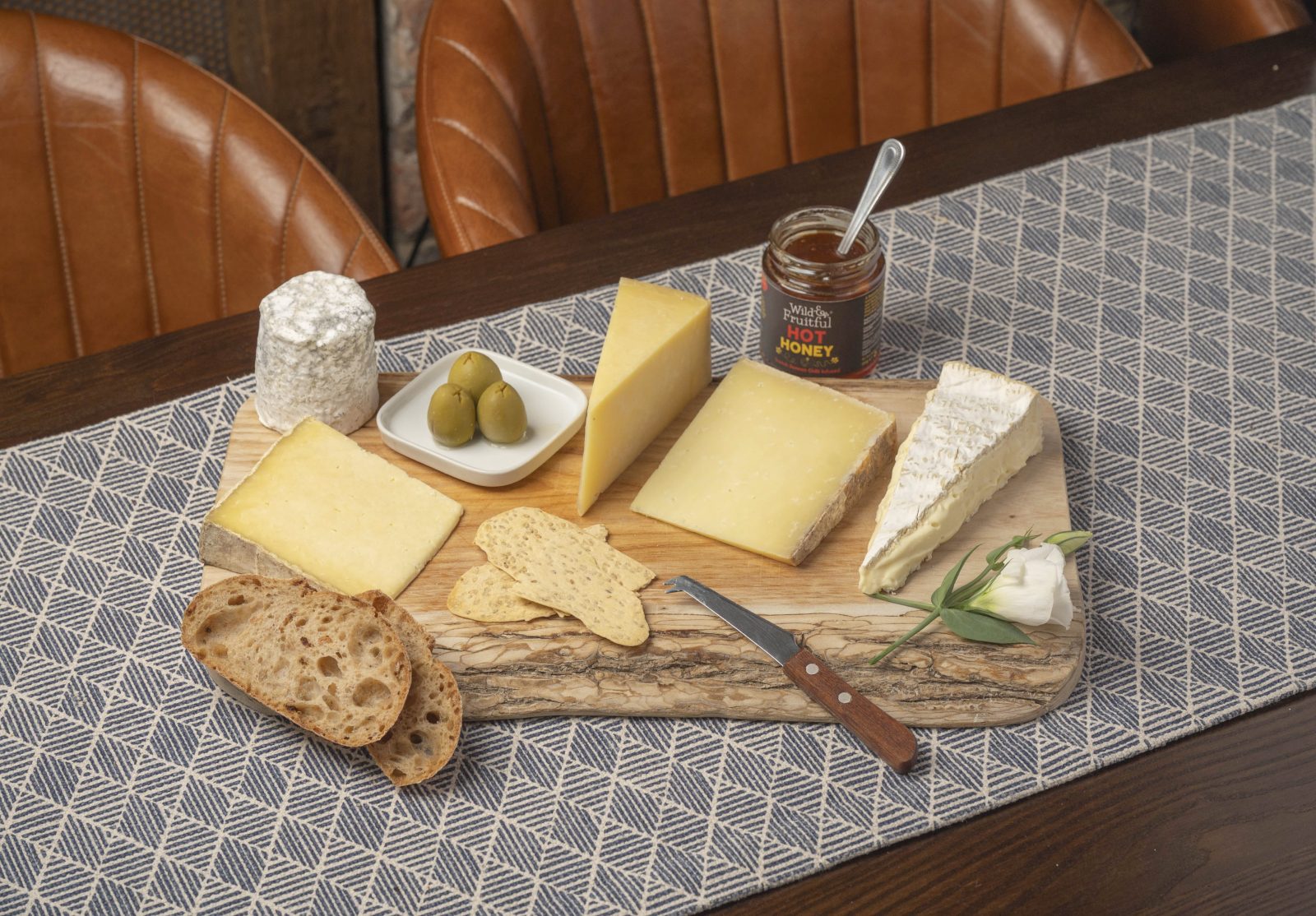
As the days grow longer and the first real warmth of the year returns, our appetite for gathering returns with it. Whether it is a bank holiday get-together or an impromptu evening with friends, the season is synonymous with fresh starts. According to one local expert, that should extend to our plates.
Stephen Fleming, the founder of the award-winning George & Joseph Cheesemongers in Leeds, believes it is time to rethink one of our most overlooked staples.
“Too often, cheese is treated as an afterthought,” Stephen says. “It is something that appears at the end of a meal, almost apologetically, or gets reserved purely for Christmas. But actually, spring is one of the most exciting times of year to be eating cheese – and to be sharing it.”
Fleming, who works closely with independent British and Irish producers, argues that the season naturally lends itself to lighter styles that pair perfectly with spring’s early harvest.
“At this time of year, cheeses feel alive,” he explains. He points to goat’s cheeses like Dorstone, made in Herefordshire, which carries a brightness and citrusy freshness that complements seasonal ingredients like asparagus, peas, or broad beans. “It is simple, but it feels very of the season.”
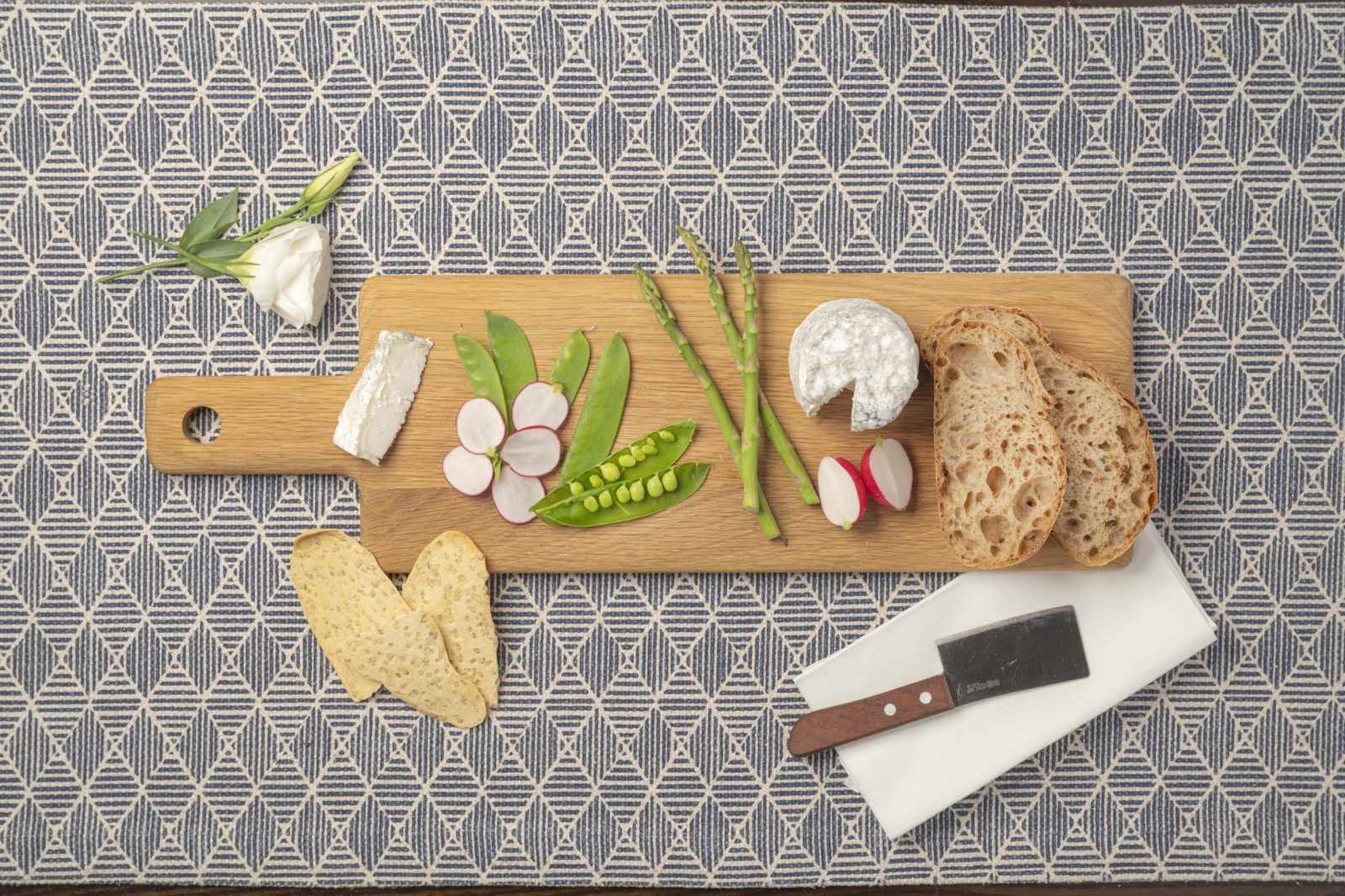
He also champions the elegance of sheep’s milk cheeses, such as Scotland’s Corra Linn. With a buttery, nutty character, it is an unfussy but considered choice when paired with a chilled glass of white wine. Closer to home, Fleming is keen to champion traditional “territorial” cheeses- a category where Yorkshire and the North have an unrivalled heritage.
“A really good Wensleydale, like Yoredale, or a well-made Cheddar such as Pitchfork can be incredibly sociable,” he says. “You don’t need to overthink it. Serve it generously with bread, chutney, radishes, or pickles, and you’ve got something that feels abundant without being complicated.”
The core of Stephen’s philosophy is a move away from the rigid, curated cheeseboard toward something more communal. For a true spring centrepiece, he recommends soft, gooey cheeses designed for sharing, like Baron Bigod, the UK’s answer to Brie de Meaux.
“It is the kind of cheese that does the work for you,” he notes. “Let it come to room temperature, bake a loaf, open a bottle, and people naturally gather around it. That’s when food is at its best.”
As Yorkshire households prepare for a season of hosting, Fleming’s message is clear: British cheese is too good to be pushed to the sidelines. This spring, it deserves to be the main event.