
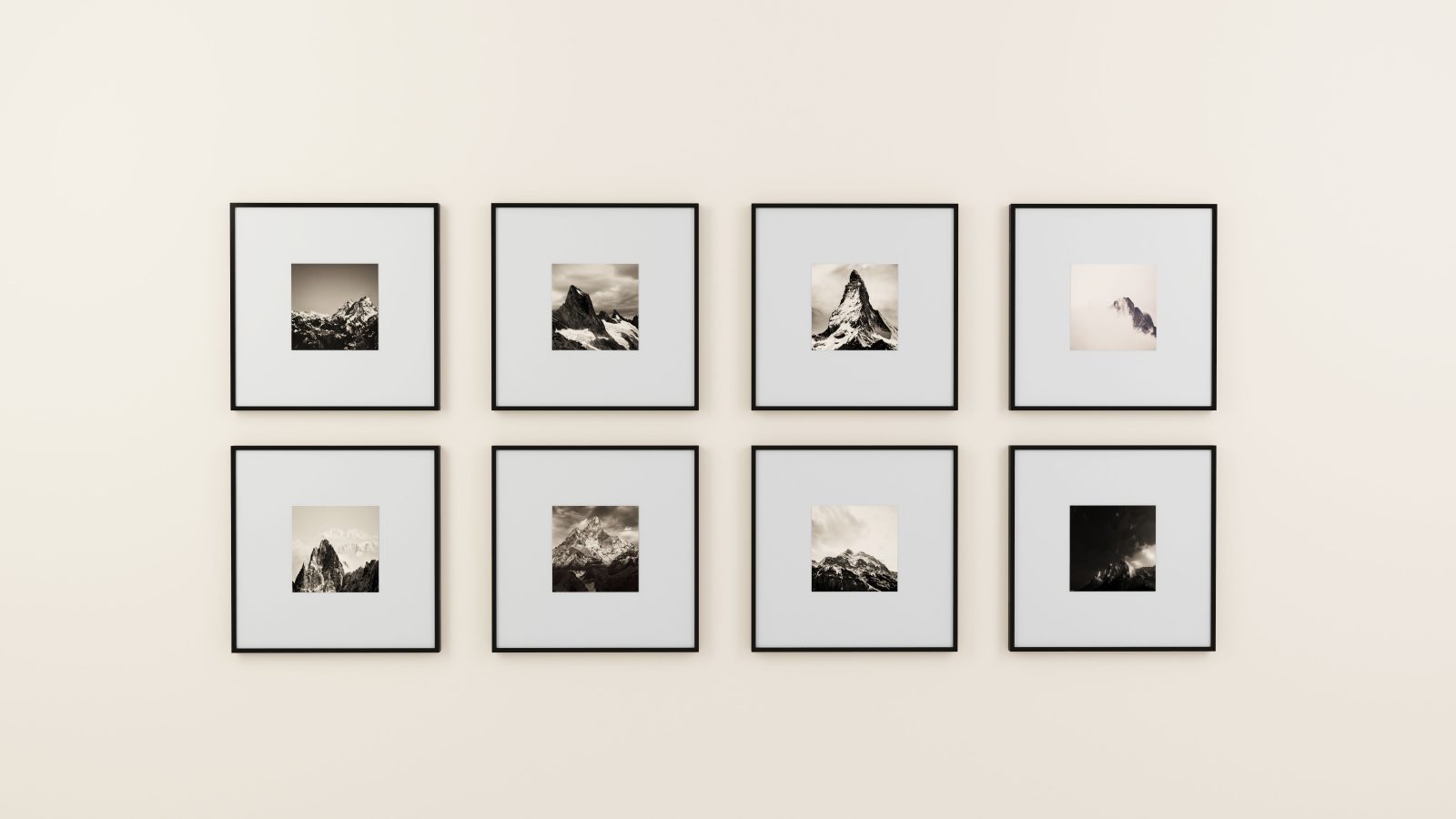
Transforming your London apartment into a sophisticated gallery inspired space requires flexible hanging methods, balanced spacing, mixed frame styles and targeted lighting. You really do not need a massive structural renovation to get that polished look. Renting in this city usually means strict rules about altering walls but you can still curate a stunning display with a few clever design choices. Getting the art right changes the entire feeling of your home.
I have lived in a few different flats across the capital. From drafty Victorian terraces to completely soulless new builds. The one thing that always makes a place feel like it actually belongs to you is the art on the walls. It is the easiest way to inject personality.
But getting that high end gallery aesthetic takes a bit of thought. You cannot just hammer a nail wherever you feel like it and hope for the best.
Stop drilling holes in your walls
Drilling dozens of holes is rarely an option in this city. Landlords are famously strict about protecting their plasterwork and getting your deposit back is hard enough already without leaving the walls looking like Swiss cheese.
For a genuinely renter friendly approach you should look into professional picture rail systems London which let you hang and rearrange your collection without destroying the paint. These setups use a discreet track installed high up near the ceiling or cornice. You then drop adjustable cables down to hold your frames securely.
It is brilliant because once the track is up you never have to drill again. You can swap pieces out exactly like a real gallery does. I think it makes the whole process so much less stressful.
You just slide the hooks along the wire until everything looks right.
This kind of system also distributes the weight evenly. If you have a heavy canvas you don’t have to worry about a single screw ripping out of the drywall. It just makes sense for anyone who likes to change their mind about where things should go.
Mix up your frame sizes
A proper gallery wall feels collected over time rather than bought in a single afternoon from a high street shop. You want to combine large statement pieces with smaller subtle prints. Variety is what gives a wall actual character.
Mixing different frame materials is key here. Try blending natural oak with matte black and maybe a few subtle metallics. If you try to match every single frame it definately ends up looking a bit flat. Like a “catalogue” rather than a real home.
You need to let the artwork breathe. Some pieces demand a thick heavy frame while a delicate sketch might only need a thin metal edge. Just play around with it.
I usually try to keep one unifying element though. Maybe all the mounts are the same shade of off white. Or maybe there is a recurring colour in the artwork itself. That stops it from looking completely chaotic.
Plan the spacing before hanging
In compact rooms proper alignment is crucial. You really should lay your frames out on the floor first to find a balanced composition before committing to a layout on the wall.
I learned this the hard way a few years ago. I tried to eyeball a massive collection of gig posters in my old flat in Hackney. I just started hammering nails into the wall one by one. Halfway through I realised the gaps were completely uneven & I had to start all over again. It was a total disaster and I spent the next day filling holes with polyfilla.
Keeping a consistent gap of two to three inches between each piece ensures the arrangement looks intentional. It does not have to be a perfect grid. But the spacing between the edges should be roughly the same.
So lay it all out. Stand on a chair and look down at it.
Take a photo on your phone. Sometimes looking at a picture of the layout helps you spot weird imbalances that you miss when you are standing right over it.
Match the art to the room
Large canvases look fantastic. But they can easily overwhelm a small hallway or a narrow living space.
You have to choose a mix of sizes that complement your furniture proportions. A collection of smaller well curated prints often works better in typical city flats than one massive piece that completely dominates the wall.
Does the art fit the space?
If you have a massive sofa you need something substantial above it. But a narrow Victorian corridor might only accomodate a neat row of small black and white photographs. It is all about finding the right balance for the specific architecture of your flat.
High ceilings give you a lot of vertical space to play with. You can stack artworks two or three high. If you live in a modern flat with lower ceilings you probably want to keep things in a wider horizontal band to stretch the room out.
Highlight everything with clever lighting
Galleries use lighting to make artwork pop and draw the eye. You can do the exact same thing at home without needing an electrician.
Adding battery powered picture lights above your favourite pieces is a great workaround if you cannot hardwire new fixtures. These just attach to the wall or the frame itself and run on LEDs. Or you can simply angle your existing ceiling spotlights towards the display.
This instantly elevates the arrangement. It creates an incredibly warm and inviting atmosphere in the evening when the main lights are dimmed.
Lighting changes everything. MASSIVELY.
You want to aim for warm white bulbs. Anything too cool or blue will make your living room feel like a dentist waiting room. Warm light makes the colours in your art look richer and more vibrant.
Dealing with landlords and old plaster
London flats are notorious for having walls made of crumbly old plaster that turns to dust the second you look at it. Especially in those beautiful but fragile period properties.
When you try to hammer a simple nail it just creates a giant crater. This is why track systems are so popular now. They distribute the weight along the rail rather than concentrating it in a single weak point. The rail is usually fixed into the masonry or the studs near the ceiling where the wall is strongest.
And landlords actually prefer them. A single clean installation is much easier to negotiate than twenty random holes scattered across the living room wall.
Just ask permission first. Send them a link to what a picture Rail is. Most property managers are reasonable if you explain that it protects their building & saves them from repainting the entire room when you eventually move out.
Sometimes they even pay for the materials if you offer to leave it there for the next tenant.
Final Thoughts
Curating your own space takes time and a fair bit of patience. You do not have to rush out and buy everything at once just to fill a blank wall.
Let your collection grow naturally. Pick up pieces when you travel or find a local artist you genuinely love. A gallery wall is supposed to tell a story about the person who lives there.
Hanging art should be fun. It shouldn’t be a source of anxiety about ruined walls or lost deposits. With the right hanging setup and a bit of planning you can create something really special that transforms your flat completely.
Make the space your own. Take your time with it.