

Harewood House has been named the winner of this year’s Frances Garnham Award for its education programme exploring the estate’s historical connections to the transatlantic slave trade and its continuing impact today.
Through a blend of on-site sessions, live online workshops, and self-directed visits, the programme has helped hundreds of students engage with human stories from the past, encouraging empathy, critical thinking, and reflection.
Located between Leeds and Harrogate, the 18th-century Palladian estate was designed by architect John Carr and features vast collections set within more than 100 acres of gardens and parkland.

The national award commemorates the achievements of Frances Garnham, former Director of Policy and Campaigns at Historic Houses, who was passionate about encouraging heritage sites to engage with diverse audiences. This year’s award was sponsored for the first time by architectural and conservation practice Purcell.
Thomas Brigden, Purcell Partner and member of the judging panel, praised the initiative, saying: “We were extremely impressed with the way Harewood have used their house, gardens and archive to make the difficult histories of colonialism and the transatlantic slave trade tangible and relevant to students. The sensory, innovative approach in the gardens stood out, as did the moving focus on ‘small acts of rebellion’, which gave every child something positive to connect with.”
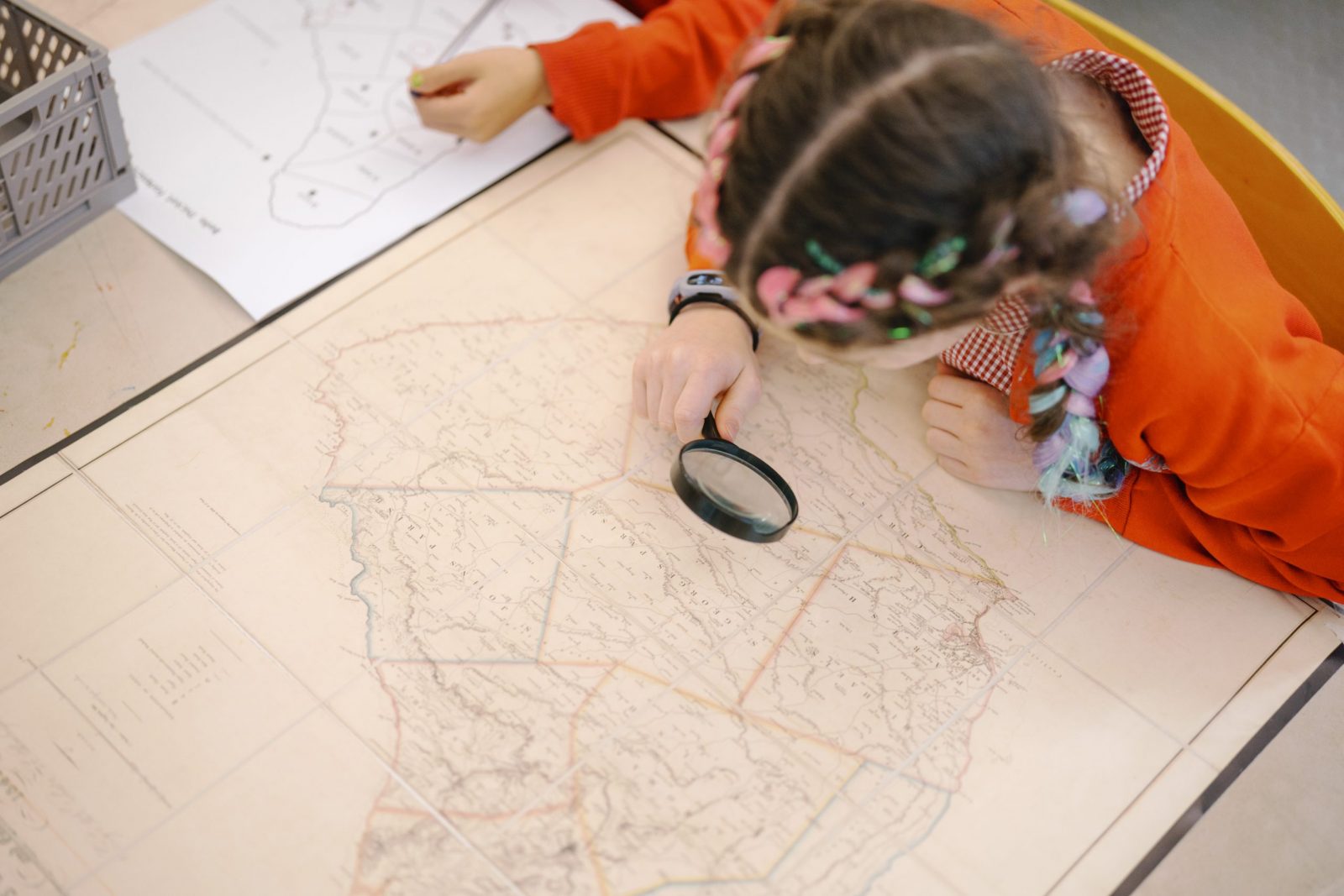
The development of the sessions has been a core focus for the Harewood House Trust over the last four years.
Mary Walsh, Learning and Engagement Manager at Harewood House, said: “We are over the moon to receive this award. For the last four years, a priority for our formal learning programme has been the continuous development of our Transatlantic Slave Trade sessions, and it means a lot to be recognised for our innovative and meaningful approach to this topic.
“We hope to inspire other institutions with challenging histories to take a similar approach to their learning programme and help shape the next generation into critical, well-balanced thinkers when it comes to Britain’s past.”