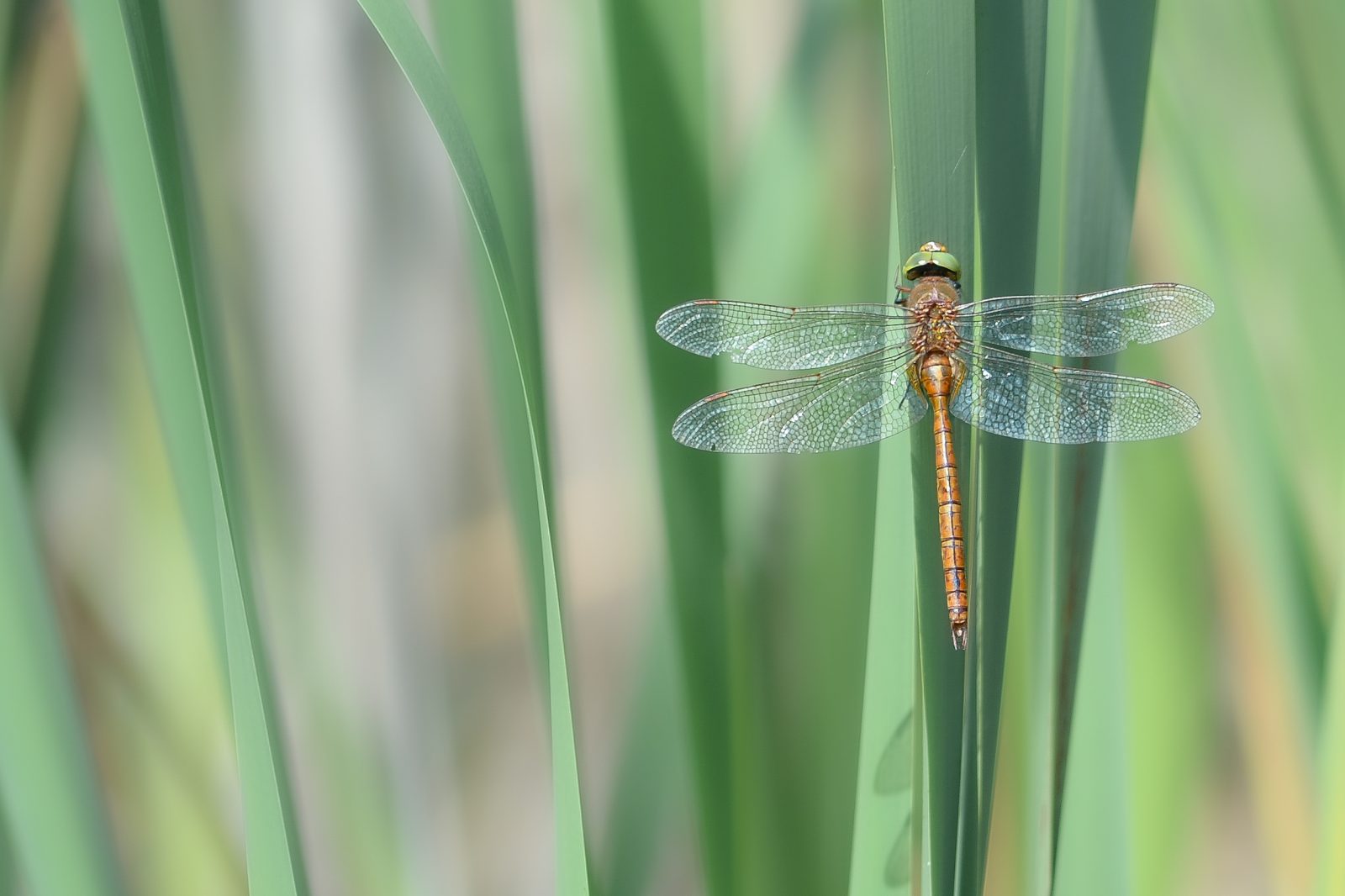
Visitors to RSPB Old Moor near Barnsley are being encouraged to keep a close watch on the reserve’s ponds and reedbeds following the first-ever sighting of the endangered Norfolk Hawker dragonfly at the site.
First spotted by a visitor on June 27th, with four subsequent sightings throughout July, the striking insect is protected under the Wildlife and Countryside Act. It is easily identified by its vivid green eyes, warm brown body, and a small yellow triangular mark at the top of its abdomen.

“Having a Norfolk Hawker turn up on your doorstep is a bit like finding a European bird like the strikingly colourful Hoopoe in your local park. They were so geographically isolated for so long that people would travel to Norfolk just to see one.”
– David Pritchard, Volunteer Dragonfly Surveyor for the RSPB and British Dragonfly Society
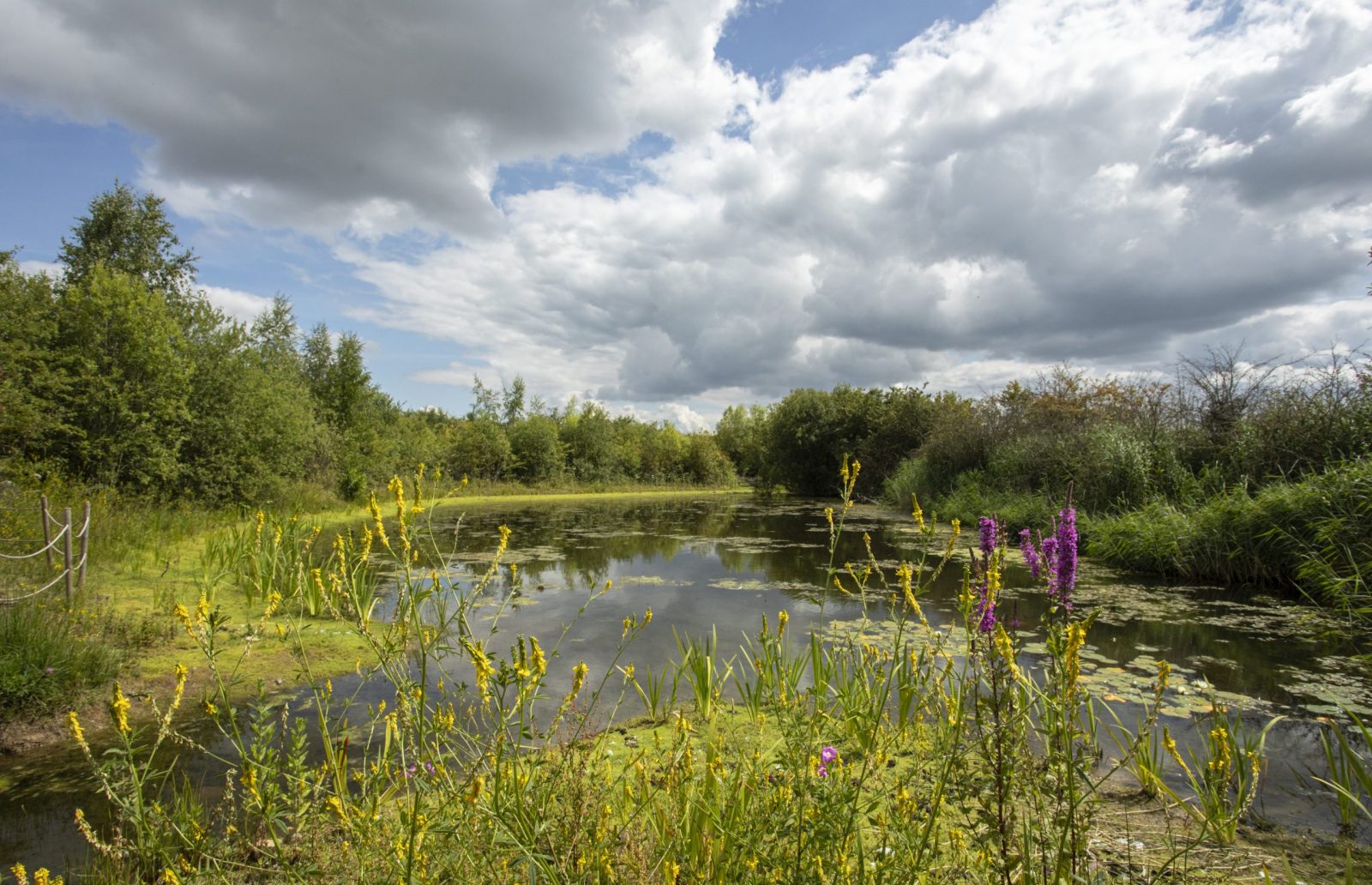
The arrival of the Norfolk Hawker highlights a record year for dragonflies at RSPB Old Moor, bringing the site’s total to 24 recorded dragonfly and damselfly species out of the UK’s 58. Conservation experts attribute the arrival of southern species to long-term wetland management and to changing climate patterns that are driving insects northward.
The reserve’s combination of deep ponds, ditches, and extensive reedbeds provides ideal breeding grounds for freshwater insects. Other southern species expanding their territories into Yorkshire in recent years include the Hairy Dragonfly, the Willow Emerald Damselfly, and the Southern Migrant Hawker.
While the rise in regional diversity offers a highlight for local naturalists, wildlife charities warn that many native UK insects remain under threat from habitat loss, pollution, and climate extremes. The British Dragonfly Society is encouraging visitors to log any insect sightings using the free iRecord app to help researchers monitor species movement across the country.
Late morning through mid-afternoon in August offers the best chance to spot active dragonflies across RSPB Old Moor.