Yorkshire keeps you moving. Commutes into Leeds, weekends in the Dales, long days at a screen in Sheffield or York. Your eyes work hard through all of it. Yet many of us only think about them when something goes wrong.
This guide covers the basics. What an eye test involves, how to choose between glasses and contact lenses, and which daily lenses are worth asking about.
Why Eye Tests Matter
An eye test does more than tell you if you need glasses. It checks the overall health of your eyes. It can also pick up certain conditions before you notice any symptoms.
Most adults are advised by the NHS to book a test every two years. Your optician may suggest more often if you have a family history of eye conditions. Tell them if you do. It helps them decide what to monitor.
Book sooner if your vision changes suddenly or your eyes become painful. Do not put it down to age or tiredness.
What Happens at Your Appointment
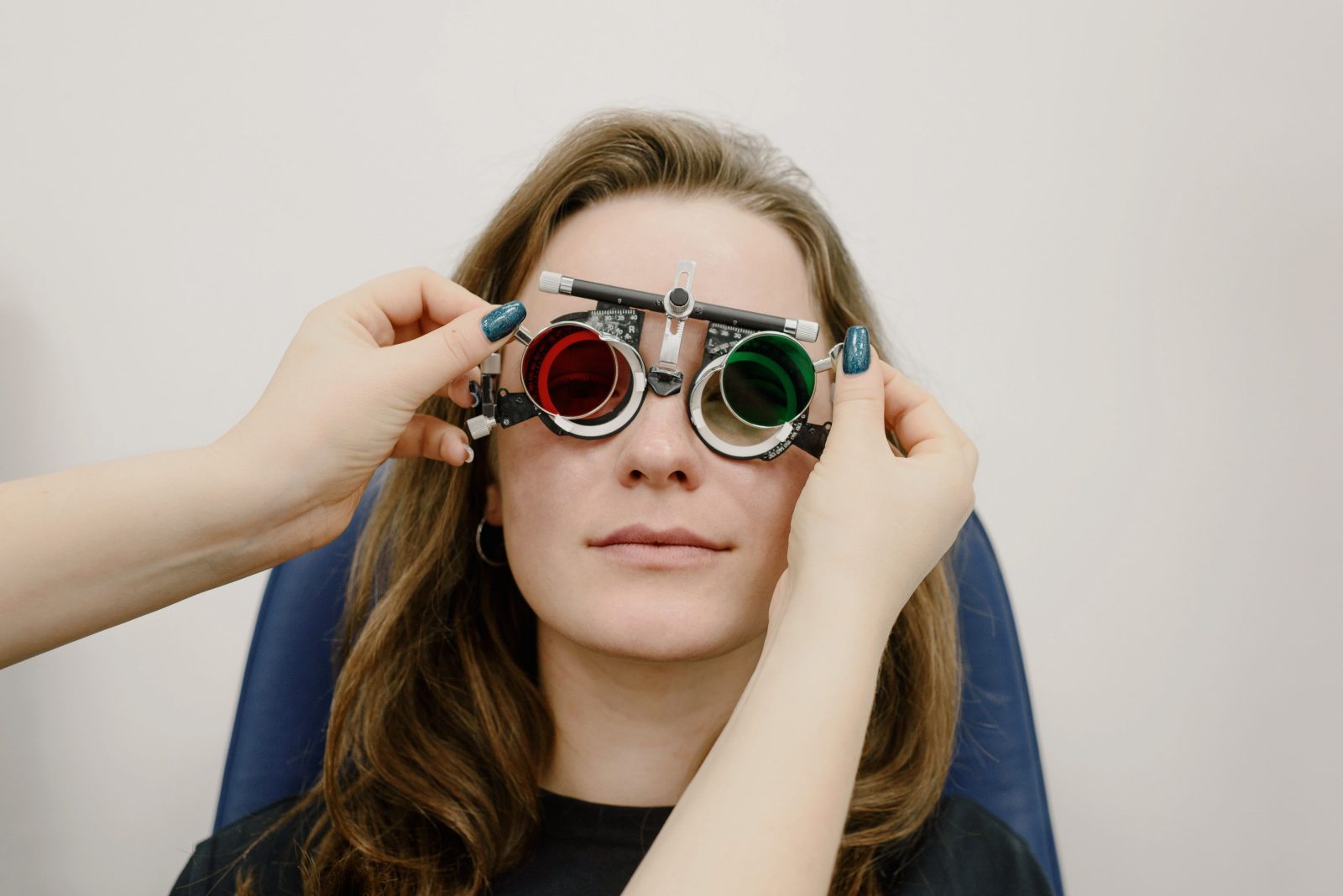
Tests are quick and painless. Expect a few simple steps.
- A chat about your health, lifestyle and any symptoms
- Reading letters from a chart
- Checks on how your eyes focus and move
- A look at the back of your eyes
Ask questions as you go. A good optician will explain each step in plain language. You can also ask what your options are once the test is done.
Glasses or Contact Lenses?
Neither is better for everyone. It depends on your prescription, your eyes and your daily routine.
Glasses are easy and low maintenance. Many people wear them at work or in the evening. Contact lenses suit those who want a clear field of view. They work well for sport, long walks and busy days out.
Many people use both. Glasses on a slow morning, lenses for a night out in Harrogate or a hike near Malham.
Why Many People Choose Daily Lenses
Daily lenses are worn once and thrown away. There is no cleaning, no storage case and no solution to pack. For many people that makes life simpler.
If you are weighing up your options, DAILIES contacts are worth a look. The range covers spherical, toric and multifocal designs. That gives a wide range of prescriptions a place to start. Your optician can confirm what suits your eyes.
Alcon makes the range. Many people like the mix of comfort and convenience that dailies contact lenses offer. Each lens is fresh every day, which keeps hygiene simple.
Dailies Contact Lenses: Which Type Is Right for You?
The range includes a few well known options. Here is a quick guide to each.
Dailies Total 1
Dailies Total 1 is the premium lens in the range. It uses water gradient technology. The lens surface reaches close to 100% water content. It is made from silicone hydrogel, which lets more oxygen through than standard hydrogel.
This lens is often suggested for people who feel dryness at the end of the day. It also suits long wearing hours. If screens or long shifts leave your eyes tired, it is worth raising with your optician.
Dailies AquaComfort Plus
Dailies AquaComfort Plus is a hydrogel daily lens. It releases moisture with each blink. That helps keep the lens comfortable through the day.
It is a good option for typical daily wear. Many people choose it as a simple, comfortable everyday lens. Ask your optician if it fits your prescription.
Dailies AquaComfort Plus Toric
Dailies AquaComfort Plus Toric is made for astigmatism. It offers the same moisture technology as the standard version. It also gives the precise correction that a toric shape provides.
If you have been told that contact lenses will not work for astigmatism, ask again. A toric lens may change the answer.
Astigmatism and Ageing Eyes
Astigmatism is common. It is caused by an uneven curve in the front of the eye. Standard lenses do not correct it, so you need a toric design.
Ageing eyes bring their own changes. Many people notice small print getting harder to read from their mid-40s. Multifocal lenses can help with near, middle and distance vision in one lens.
Neither is a barrier to wearing contacts. Fitting does depend on your prescription, so ask your optician what is available.
Questions Worth Asking Your Optician
Come prepared. A few simple questions can make your appointment far more useful.
- Are contact lenses a good option for me?
- Would a dailies contact lens suit my lifestyle?
- Is Dailies Total 1 or Dailies AquaComfort Plus a better fit for my eyes?
- Do I need a toric lens for astigmatism?
- What happens if the first pair does not feel right?
- How often should I come back for a check-up?
Looking After Your Eyes Day to Day
Small habits make a big difference.
- Take regular breaks from screens
- Wash and dry your hands before handling lenses
- Never sleep in lenses unless your optician says it is safe
- Keep your check-ups booked, even if your vision feels fine
For more plain advice, the College of Optometrists runs a public site called Look After Your Eyes. It also has a tool to help you find a local optometrist.
The Bottom Line
Good eye care starts with a simple test and an honest chat. Whether you choose glasses, contact lenses or a mix of both, the right choice is the one that fits your eyes and your life. Book that appointment, ask your questions and see what works for you.