
When buying, selling, or renting a property, there’s one document that often gets overlooked but plays a crucial role in decision-making: the Energy Performance Certificate (EPC). Whether you’re working with Whitegates Doncaster estate agents or exploring the market independently, understanding EPC ratings can give you a clearer picture of a property’s energy efficiency and long-term running costs.
An EPC provides a detailed assessment of how energy efficient a property is, using a rating scale from A (most efficient) to G (least efficient). This rating is based on factors such as insulation, heating systems, windows, and overall construction. The certificate also includes recommendations on how to improve the property’s efficiency, which can be valuable for both current owners and potential buyers.
One of the main reasons EPC ratings matter is cost. A property with a higher EPC rating is generally cheaper to run. Efficient homes retain heat better, use less energy for heating and cooling, and ultimately lead to lower utility bills. In contrast, a lower-rated property may come with hidden expenses due to poor insulation or outdated systems. For buyers, this can significantly affect affordability beyond the purchase price.
EPC ratings also have a strong influence on property value and marketability. Homes with better energy efficiency are increasingly attractive to buyers and tenants. As awareness grows around sustainability and cost savings, people are more inclined to choose properties that offer long-term benefits. A higher EPC rating can make a property stand out in a competitive market, potentially leading to quicker sales or rentals.
From a legal perspective, EPCs are not optional. In the UK, it is a requirement to have a valid EPC when a property is built, sold, or rented. Landlords, in particular, must meet minimum energy efficiency standards. Currently, rental properties must have at least an EPC rating of E, and there is ongoing discussion about raising this threshold in the future. Failing to comply can result in penalties, making it essential for property owners to stay informed.
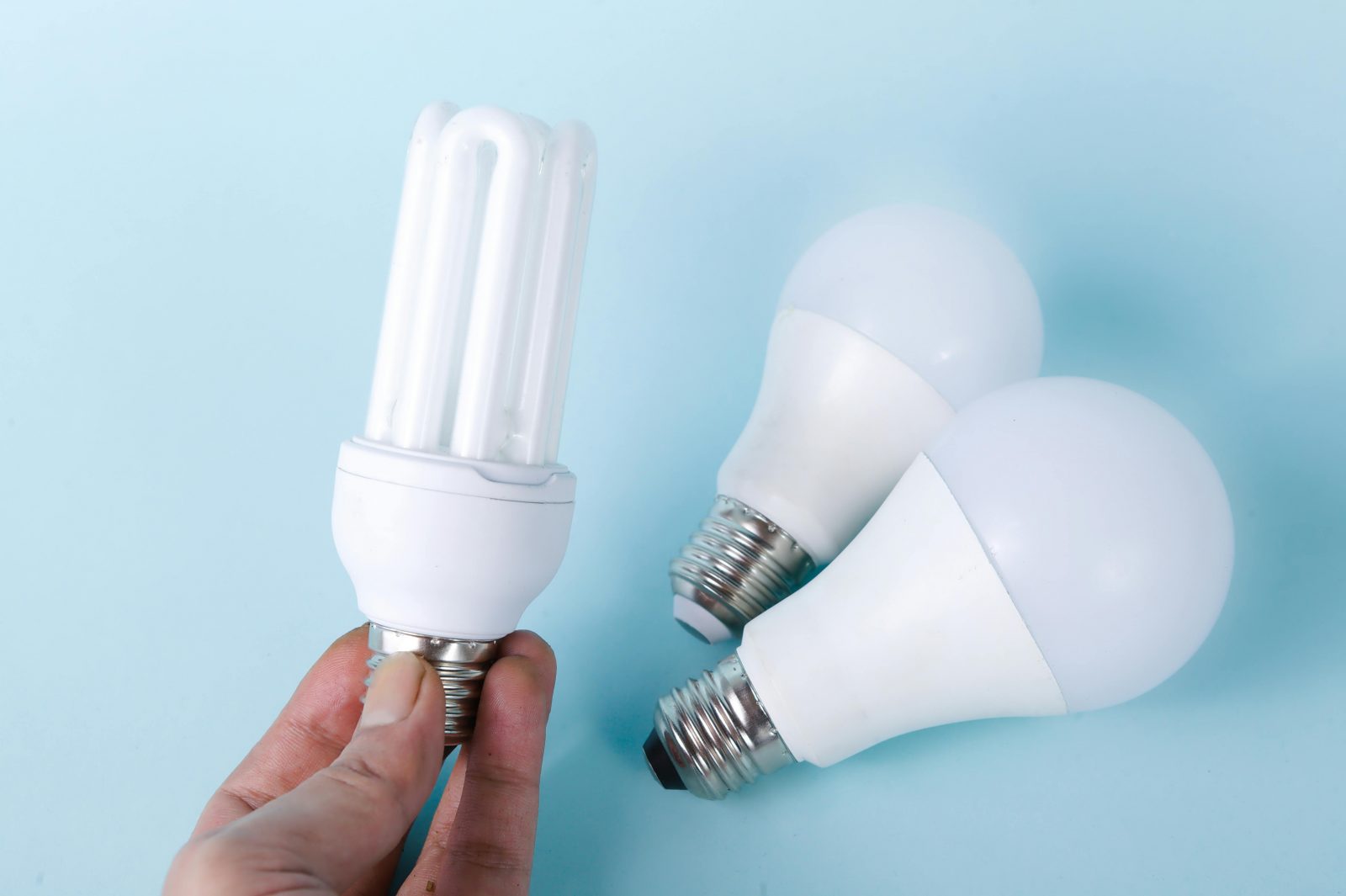
Environmental impact is another key reason EPC ratings matter. Buildings account for a significant portion of carbon emissions, and improving energy efficiency is one of the most effective ways to reduce this footprint. By choosing or upgrading to a property with a higher EPC rating, homeowners and landlords contribute to a more sustainable future. Simple improvements such as better insulation, energy-efficient lighting, or upgrading heating systems can make a noticeable difference.
For sellers, improving an EPC rating before listing a property can be a smart investment. Even small upgrades can boost the rating and make the home more appealing to potential buyers. For example, installing double glazing, adding loft insulation, or replacing an old boiler can improve both efficiency and comfort. These changes not only increase the property’s value but also provide a stronger selling point during negotiations.
Buyers should use EPC ratings as a comparison tool when evaluating different properties. Two homes may look similar in price and size, but their energy efficiency could vary significantly. By reviewing the EPC, buyers can identify potential future costs and decide whether a property offers good long-term value. It also helps in planning future improvements and budgeting accordingly.
Tenants can benefit from EPC ratings as well. Renting a property with a higher rating means lower energy bills and a more comfortable living environment. It also gives tenants transparency about what to expect in terms of energy usage. As energy prices continue to fluctuate, this information becomes increasingly important in managing monthly expenses.
Another often overlooked aspect of EPCs is the recommendations section. This part of the certificate provides practical suggestions to improve energy efficiency, along with estimated costs and potential savings. For homeowners, this can serve as a roadmap for upgrades, helping prioritise improvements that deliver the best return on investment.
In today’s property market, energy efficiency is no longer just a bonus—it’s an expectation. Buyers, tenants, and investors are all paying closer attention to how properties perform in terms of energy use. EPC ratings provide a simple yet powerful way to understand this performance and make informed decisions.
In summary, EPC ratings matter because they impact running costs, property value, legal compliance, and environmental sustainability. Whether you’re buying, selling, or renting, taking the time to understand these ratings can help you make smarter, more informed choices. As the focus on energy efficiency continues to grow, EPCs will only become more important in shaping the future of the property market.