With the warmer months finally here and beer gardens across Britain filling up, a quiet tragedy is unfolding: many of us simply don’t know a bad pint when it’s sitting right in front of us.
From disproportionate foam to a suspiciously flat taste, there are a few dead giveaways that your drink has been poorly handled. Brits are becoming increasingly less willing to accept a sub-par pour; search data reveals that Google queries for the “perfect beer pour” have surged by 386% over the last year, while searches for a “bad pint” have climbed by 138%.
To help consumers protect their taste buds, the brewing experts at Beavertown have shared a definitive guide to spotting a bad pint before it even touches your lips.
Sam Millard, Head of Innovation at Beavertown, comments: “The realisation of a bad pint normally occurs after the first sip, but there are some key visual and physical signs that will tell you everything you need to know before the glass even touches your lips! The way a beer is poured, the head it builds, and the temperature it is served at are intentional for the best experience, so when any of those things are done poorly, it shows.”
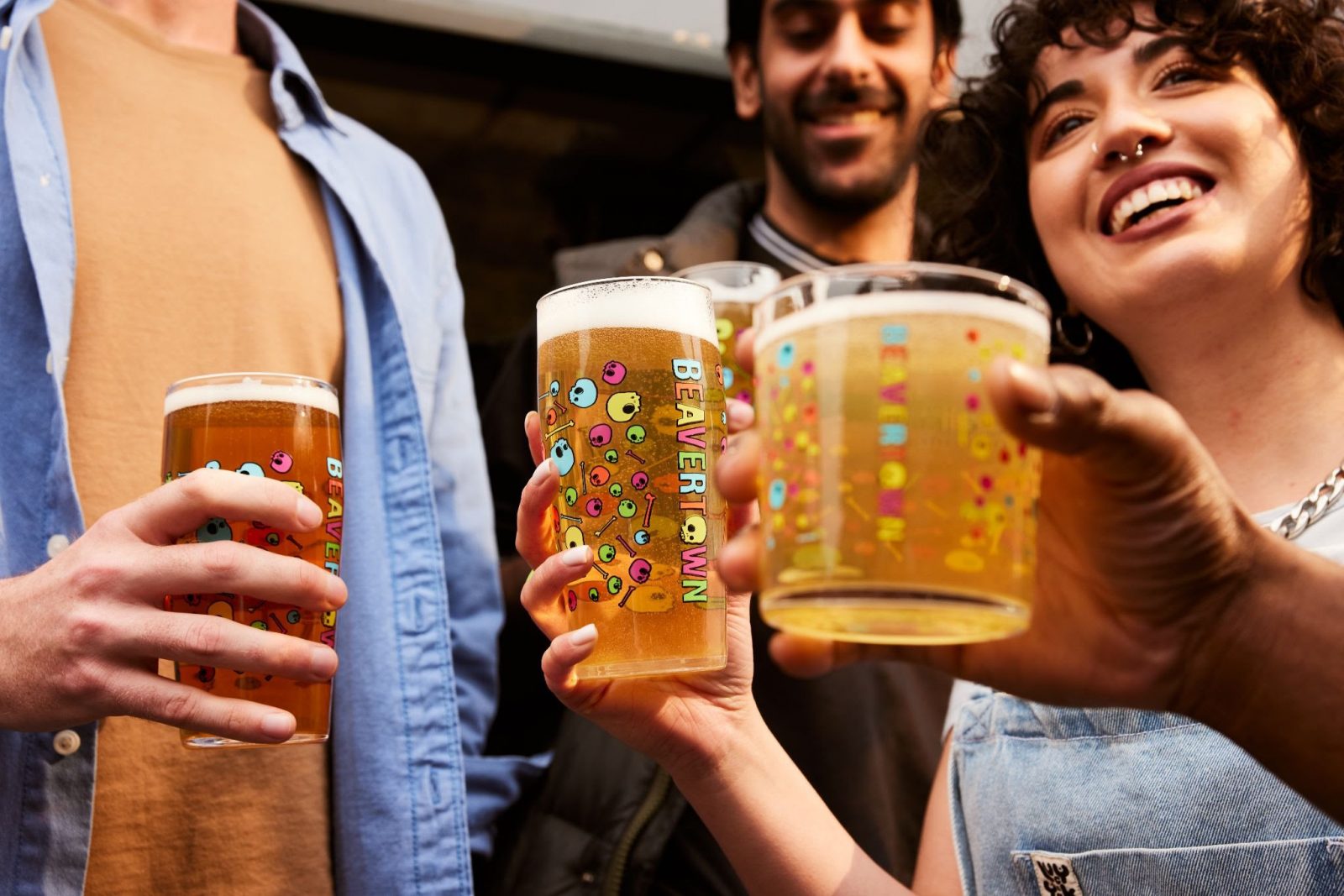
According to the experts, here are the five key things to watch out for:
1. The Head
The foam on top of your beer isn’t just there for aesthetics. “It helps de-gas the beer, traps aromas from the hops, malt and yeast, and massively enhances flavour,” says Sam. A proper pour involves tilting the glass to create the right amount of agitation, knocking the $CO_2$ into a dense, creamy foam that makes the beer feel smoother. A good head should sit roughly two fingers deep. If your foam has completely collapsed or looks incredibly thin by the time you sit down, it is a classic sign of a slow or poorly angled pour.
2. The Temperature
The rules here are incredibly simple: beer needs to be served cold and crisp for maximum enjoyment. If your pint arrives feeling lukewarm, it has likely been sitting around on the bar for too long or has been pulled from warm cellar lines. When the temperature is wrong, it alters the entire flavour profile and can make the draught taste instantly flat or stale.
3. The Fizz
A well-poured pint should feature a steady stream of bubbles rising up from the bottom of the glass. A complete lack of fizz is an immediate red flag for flat beer. Furthermore, if you notice bubbles clinging directly to the inside walls of the glass, it means the glass isn’t completely clean. Residual soap, grease, or leftover lipstick marks cause bubbles to stick. You should always ask for a fresh glass to avoid a potential stomach upset.
4. The Colour
While different beer styles come in a variety of shades, you should be able to tell instantly if your regular tipple looks out of character. An overly cloudy appearance is a strong indicator that the beer has turned, has been stored incorrectly, or has run through dirty tap lines. On the flip side, if the beer looks noticeably darker than usual, it may have oxidised or been left sitting stagnant in the line for too long.
5. The Smell
Because roughly 80% to 90% of what we perceive as taste actually comes down to our sense of smell, aroma is everything. Your beer should have identifiable, clean notes of malt or hops. If you catch a whiff of a vinegary or stale scent, something has gone wrong in the keg, pump, or storage system.
Ultimately, Beavertown’s advice is clear: if it feels off, say something.
“Don’t be shy about asking for a fresh glass or pour if something doesn’t look, smell or taste right,” Sam concludes. “Any good bar will be happy to help and provide you with the best experience, and if you flag any issues, you’re saving other customers from a sub-par pint too!”