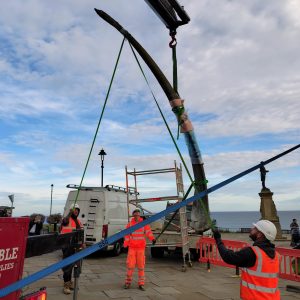

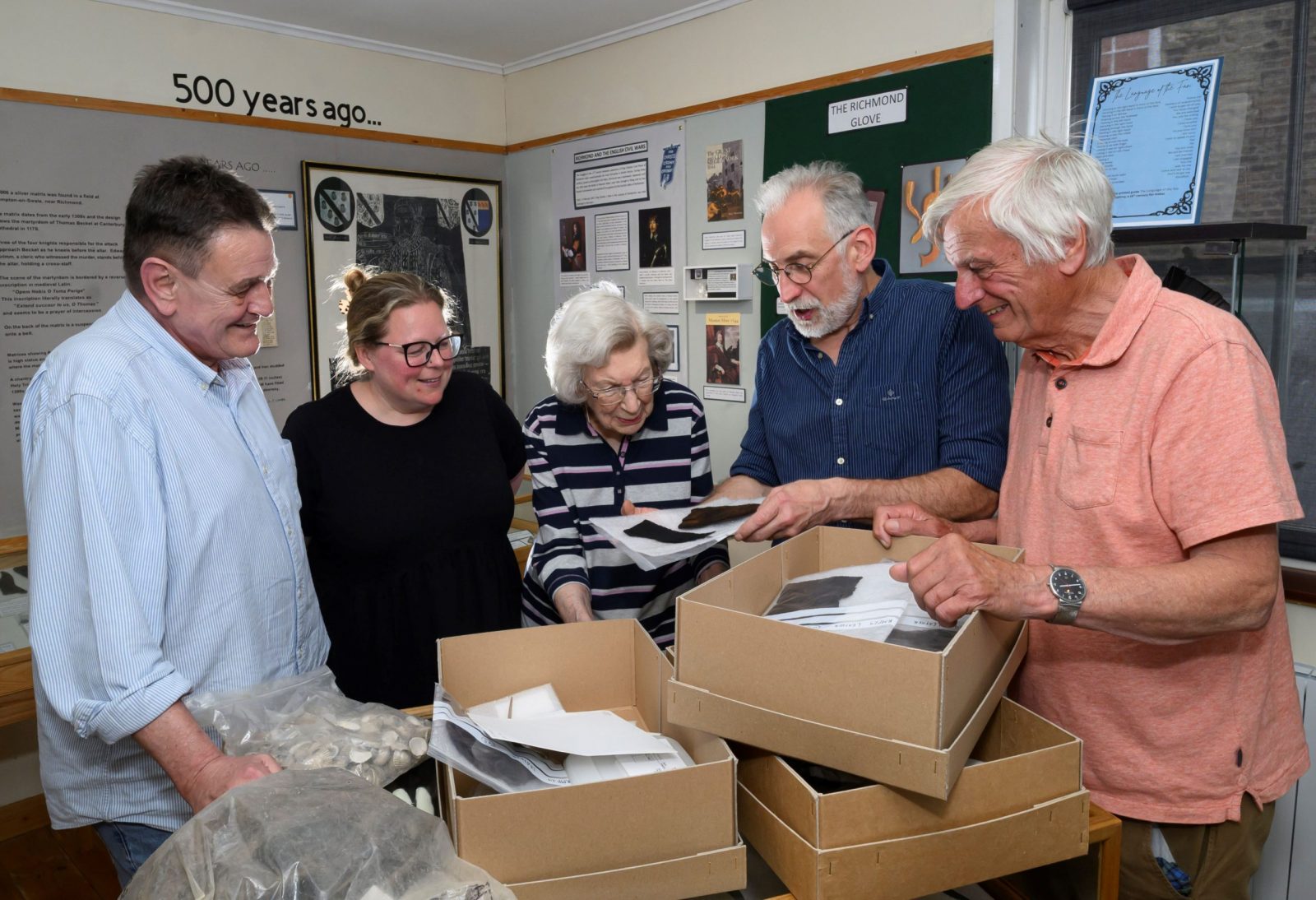
Richmond’s historic past has been put into the spotlight as medieval items are set to be displayed at a museum just metres away from where they were uncovered. In 2024, North Yorkshire Council’s highways officers were surprised to find medieval pits containing bones and clothing under Richmond’s market place during resurfacing works. A team of archaeologists were called upon, and conservation work to the artefacts was carried out. The finds have now been gifted to Richmondshire Museum, which is located in Ryders Wynd close to the market place, and will be on display from September.
North Yorkshire Council’s executive member for culture, Cllr Simon Myers, said: “The medieval discoveries provide a valuable insight into the history of Richmond, with its market place at the centre of activity throughout the centuries. Displaying the items in the museum will be a gift to everybody who visits and helps us to understand the people living in the town generations before us.”
Evidence shows that this part of the market place was very active between the 13th and 15th centuries, shortly after it ceased to be the Outer Bailey of the castle and was being incorporated into the settlement. During that period, the activity would have included the digging and filling of pits, with at least thirty-six pits found during the archaeological works. It involved leatherworking, which is linked to a leather market in part of the marketplace. Many of the pits contained waterlogged material, including plant remains, the bones of sheep and pigs, and large amounts of leather.
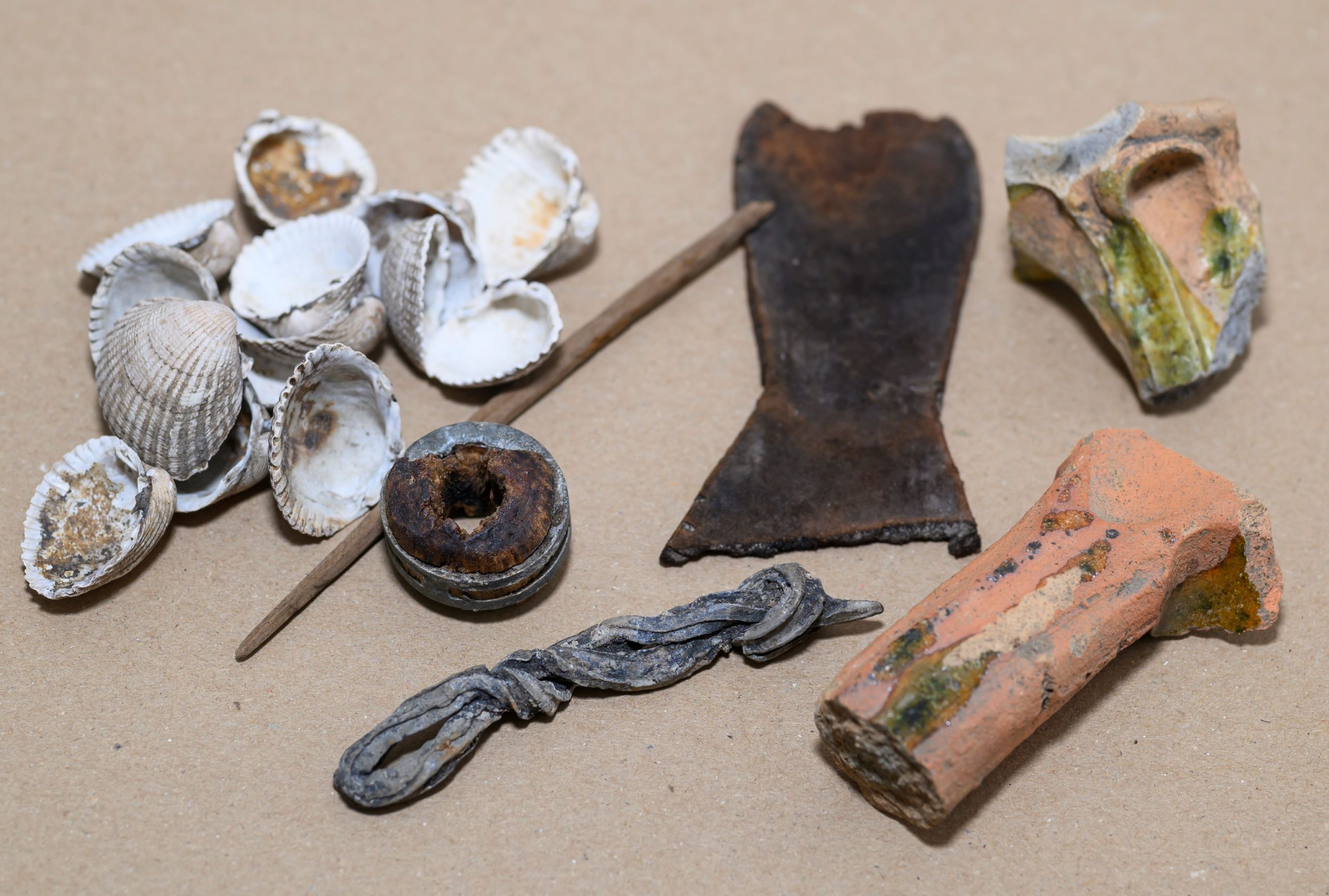
At some point around the late 16th or early 17th century, the area was levelled and surface drainage installed. From then on, the Georgian toll booth appeared, which is seen in the historic mapping of the town. The archaeological finds, such as a bail pin and remains of an almost complete shoe, are unusual due to the waterlogged conditions, and point to the potential for widespread, well-preserved remains under the current market place.
North Yorkshire Council’s principal archaeologist, Peter Rowe, said: “It is fantastic to see the medieval items from the market place finding their way back to the town as a resource for local people and visitors. What sets these finds apart is the preservation of organic material that does not normally survive, so we are getting a rare glimpse of a medieval leather industry and some of the products that were manufactured right here in the heart of the town.”
Cllr Stuart Parsons, who represents the Richmond division, commented: “These discoveries leave open the question as to what else is buried beneath the cobbles of the market place and at the King Street end of the completed works, which did not allow for archaeological investigation. Seeing these finds brings us closer to our medieval past and some of our ancestors. I hope people will visit and appreciate this new chapter in Richmond’s history.”