The magic of spring has officially arrived across Yorkshire as thousands of migrant birds return from African and offshore wintering grounds to begin the breeding season. Nature reserves across the region are witnessing a surge in activity, with rare species and spectacular displays drawing visitors in record numbers.
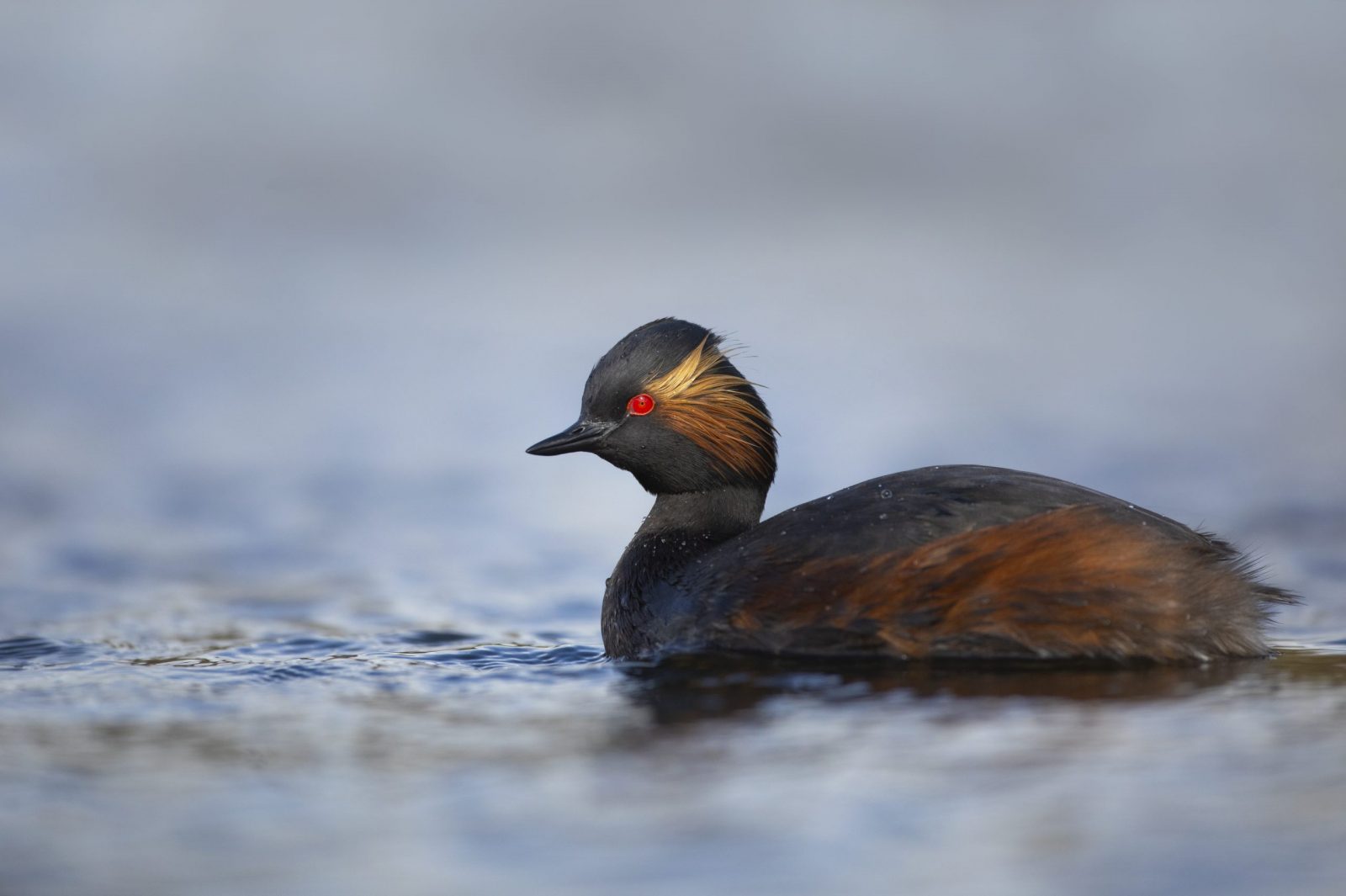
At RSPB St Aidan’s near Leeds, the Black-necked Grebe has begun arriving. The nature park is a vital stronghold for this vulnerable species, hosting around 30% of the total UK population. Meanwhile, the heronry at RSPB Fairburn Ings is currently a “breeding bird spectacular,” packed with Grey Herons, Cormorants, Spoonbills, and both Little and Cattle Egrets.
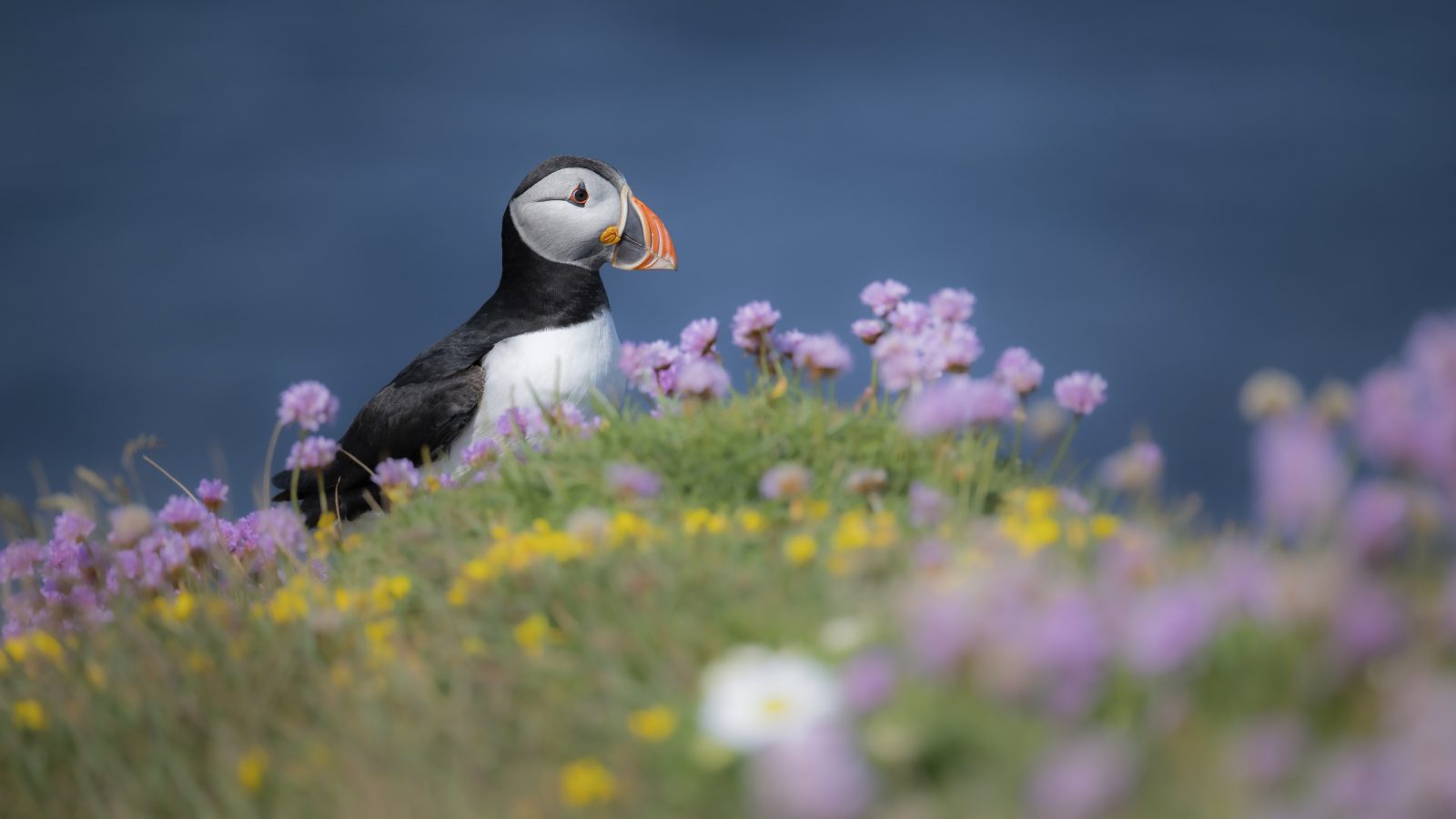
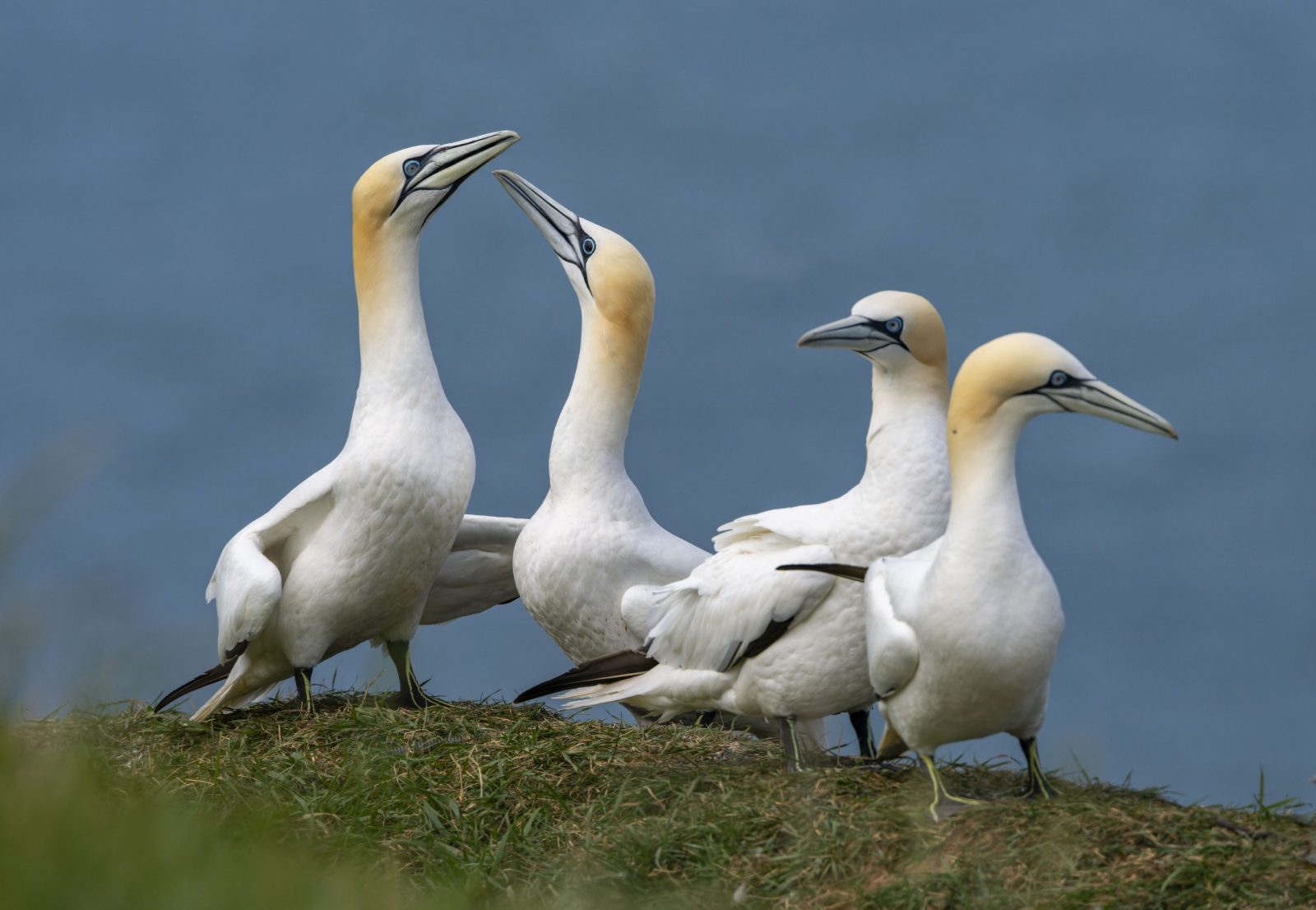
Further south at RSPB Old Moor near Barnsley, the “boom” of the male Bittern is reverberating across the reedbeds, alongside the songs of Sedge and Reed Warblers recently arrived from West Africa. On the East Yorkshire coast, RSPB Bempton Cliffs is seeing the return of thousands of Gannets and Puffins to the chalky cliffs after their winter in the Atlantic.
Richard Barnard, RSPB’s Area Manager for Yorkshire, said: “Wildlife tourism is booming and we are expecting another bumper year, especially as the Staycation effect is already happening. Last year was Bempton’s best year ever for visitor numbers, and we’re hoping to beat it again this year.”
At RSPB Blacktoft Sands near Goole, Avocets have returned to the lagoons, and Marsh Harriers can be seen “sky-dancing” above the reeds. The region is also serving as a critical pit-stop for international travellers, including Black-tailed Godwits heading to Iceland and Dunlins on their way to Scandinavia.
Pete Short, Reserve Manager at RSPB Blacktoft Sands, said: “We absolutely should be making a song and dance about what a special place Yorkshire is for nature and wildlife. Even after nearly 50 years of birdwatching in the county, I still get a real thrill when I see the first Swallows arriving back or hear my very first Cuckoo.”