Every element of a British wedding comes steeped in convention and a long, often complicated backstory. From the flowers to the dress, it is a day built on rituals, but none are perhaps more widely misunderstood than the “wedding breakfast.”
Most guests assume the name is simply a quaint, old-fashioned phrase for the post-ceremony meal and think nothing more of it. However, the true story behind the name connects back to one of the most interesting culinary traditions the country has produced.
Nick from Country House Weddings, who has overseen countless celebrations, has shared the rich history behind this uniquely British tradition.
Breaking a Very Specific Fast
Interestingly, the word “breakfast” originally had absolutely nothing to do with the morning. Instead, it referred to a strict religious fast that both the bride and groom were required to observe before taking the sacrament of marriage. Under medieval church law, individuals could not receive communion, and therefore could not be legally married, unless they had fasted since midnight.
Because the wedding ceremony typically took place between late morning and midday, the subsequent meal was quite literally the very first food either of them had eaten all day. It was the moment they broke their fast.
Even as church laws loosened, weddings moved to later in the afternoon, and the connection to the original religious fast faded from common memory, the name stuck. By the time Queen Victoria sat down to her own wedding breakfast in 1840, it was already a ritual with an origin that most of her guests could no longer explain.
As Nick notes: “The name survived the reason for it by about three hundred years, becoming one of those beautiful historical accidents that the wedding party still loves today.”
Abundance as a Statement
During the Georgian era, a wedding breakfast was a spectacle of organised excess where the table itself sent a message. Hosts competed fiercely over the sheer volume of food presented, using the feast to demonstrate the family’s wealth and high social standing.
A typical Georgian spread opened with “cold collations”, including raised pies, potted meats, sliced tongues, and whole dressed fish presented on silver. These were set alongside elaborate jellies moulded into architectural shapes, blancmanges, and syllabubs.
Unlike today, there was no single course structure. Dishes came in massive waves, dressed in the classic French style, with everything placed on the table at once to ensure a striking visual impact the moment guests entered the room. Wine, particularly Madeira and claret, flowed without interruption, while the bride’s cake consisted of a dense fruit cake soaked in brandy for months and bound in hard royal icing.
When the Wedding Cake Turned White
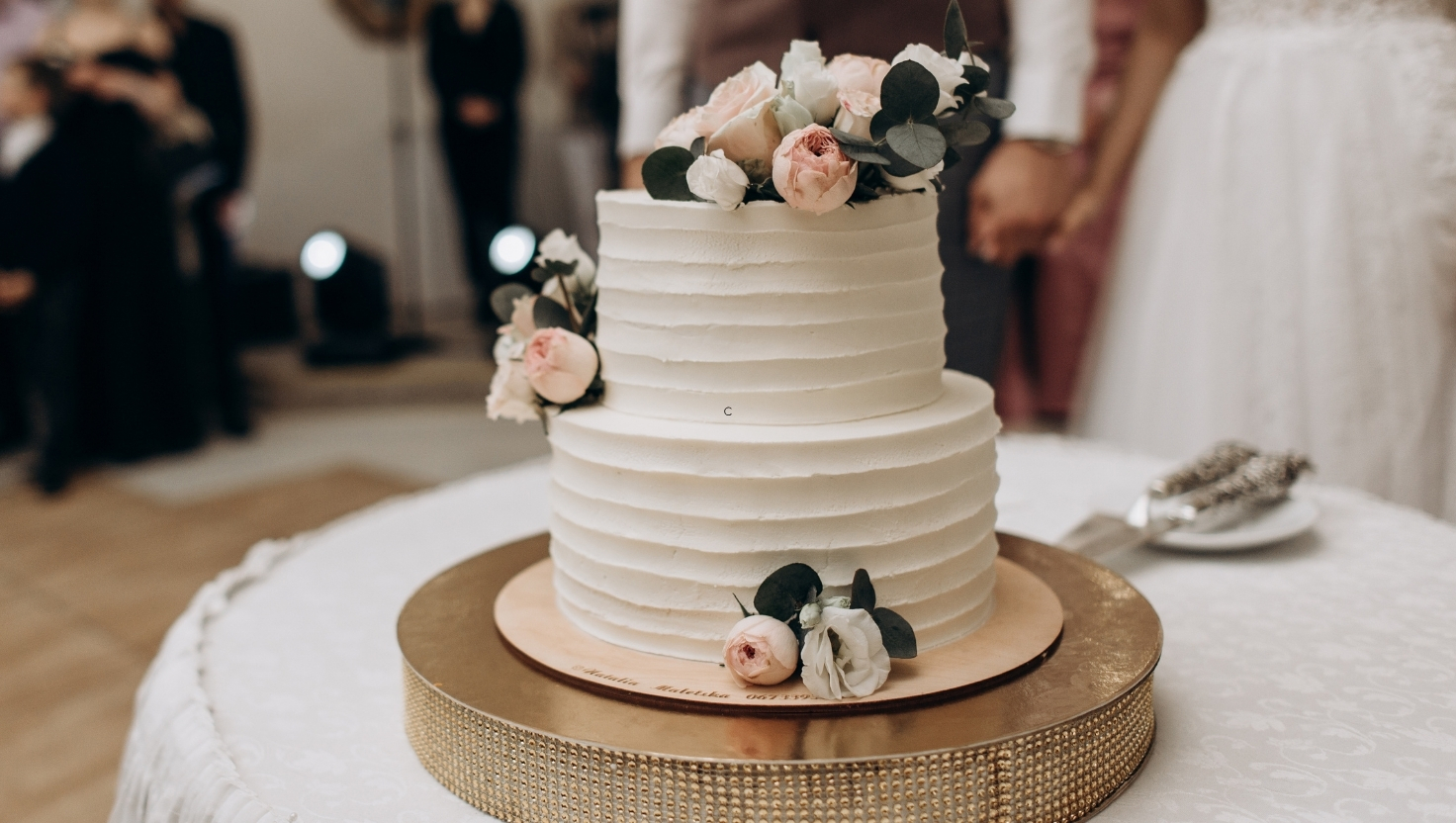
Many of our modern wedding traditions actually originated in the Victorian era. Queen Victoria’s 1840 wedding set a template that her subjects spent the next sixty years trying to replicate, including her iconic white, tiered wedding cake.
At the time, the brilliant white look of royal icing was extraordinarily expensive to achieve because refined white sugar was an extreme luxury product. The cake was a direct display of royal wealth, and within months of the press noting its remarkable whiteness, couples across the country began copying the style.
The Victorians also shifted the structure of the breakfast away from the Georgian “all-at-once” style and toward sequential courses, influenced by the Russian service style taking hold in aristocratic houses. Dishes like soup, fish, meat, and pudding arrived in a designated order, with the table completely cleared between each round. This made the formal meal longer and much easier to manage for large guest lists.
“A Victorian hostess knew exactly what every choice on that menu communicated,” Nick explains. “Turtle soup was old money. Lobster was fashionable. Strawberries meant you had a well-run kitchen garden, or very good connections with the right greengrocer.”
The Tradition Today
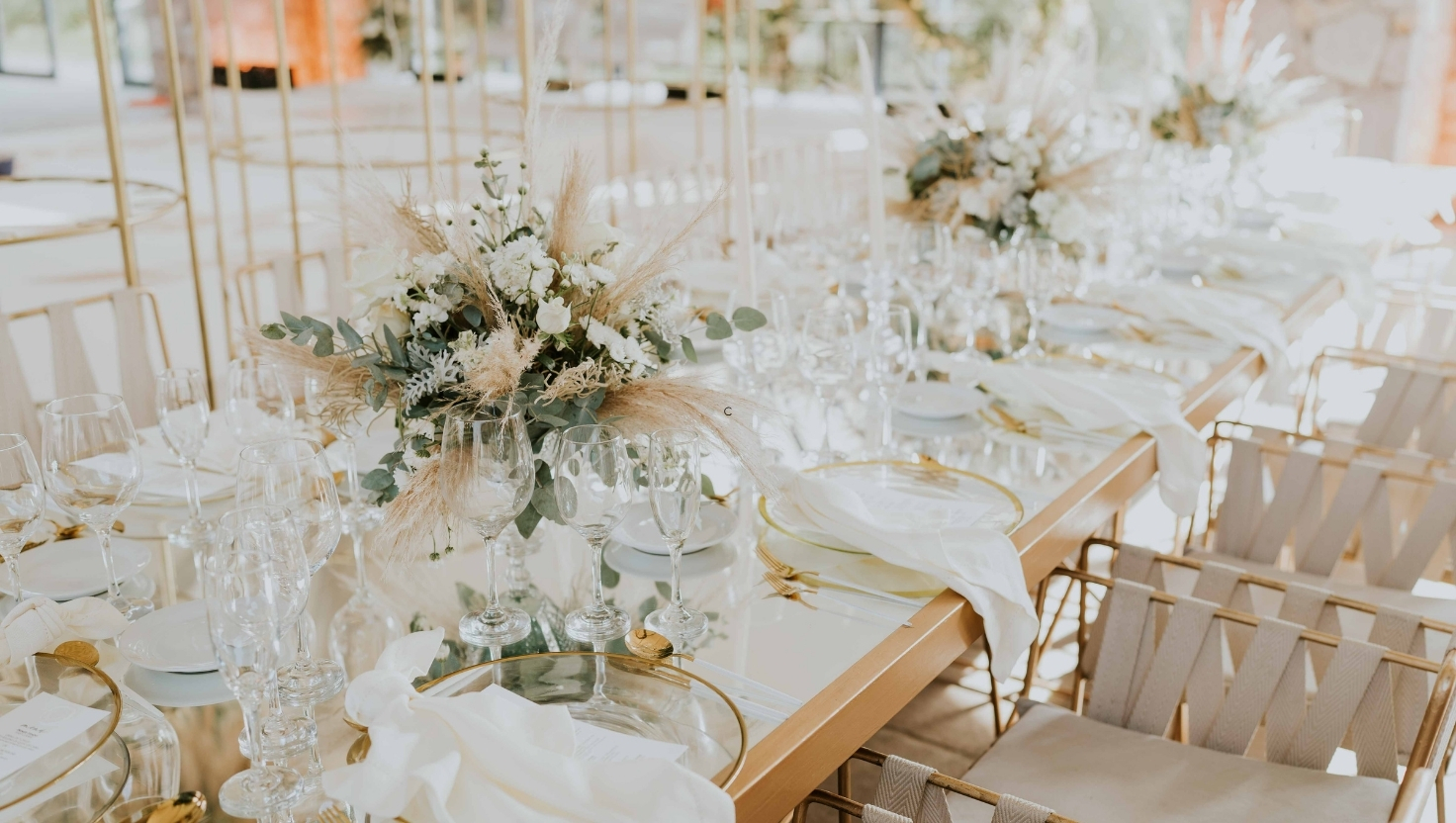
While a modern wedding breakfast trades raised game pies and moulded jellies for casual sharing boards and aesthetic dessert tables, the underlying logic remains entirely unchanged. The formality has softened, and the courses have shortened, but the core instinct is identical: to gather loved ones around food that reflects the couple at the centre of it.
“At a country house, that connection to the past still runs especially deep,” Nick concludes. “The kitchen garden that once supplied the asparagus for a Victorian feast might today supply the heritage tomatoes for a summer starter. The setting does the same work it always did. The wedding breakfast has modernised, but it has not lost its point in bringing people together to celebrate a momentous occasion.”
So, the next time someone at your wedding table asks why it is called a breakfast, you will know the exact historical reason.